Abel Tasman Activities
New Zealand's smallest national park, with kayak trips past Split Apple Rock, skydives from Motueka and boat cruises to Anchorage Bay.
Top experiences



Abel Tasman
Skydive from 16,500ft high– Skydive Abel Tasman



Abel Tasman
Abel Tasman 13,000ft Tandem Skydiving
Abel Tasman
Family Cruiser Guided Kayak Tour with Kahu Kayaks


Abel Tasman
Half Day Independent Kayak Hire in Golden Bay




Abel Tasman
Guided Kayak and Self-Guided Scenic Walk with Kahu Kayaks
Explore Abel Tasman experiences
19 experiences found
All filters
Abel Tasman
Abel Tasman 13,000ft Tandem Skydiving
Abel Tasman
Family Cruiser Guided Kayak Tour with Kahu Kayaks
Abel Tasman
Half Day Independent Kayak Hire in Golden Bay
Abel Tasman
Skydive from 16,500ft high– Skydive Abel Tasman
Abel Tasman
Guided Kayak and Self-Guided Scenic Walk with Kahu Kayaks


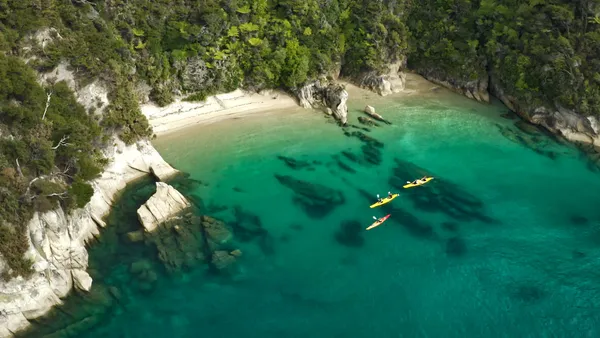
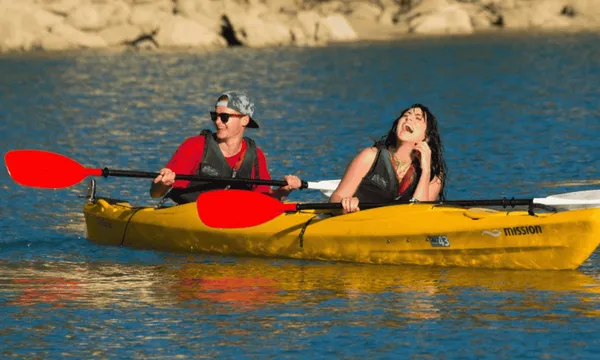

Abel Tasman
1 Day Freedom Kayaking with Kahu Kayaks
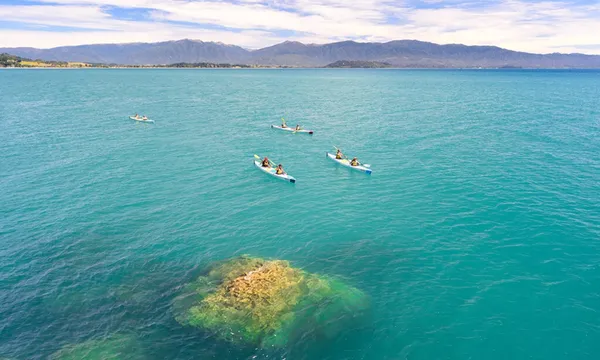

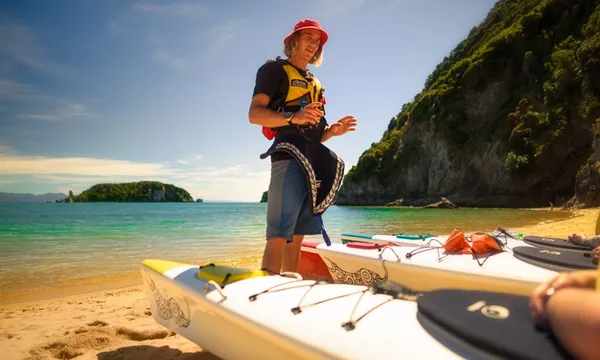
Abel Tasman
Full Day Independent Kayak Hire in Golden Bay




Abel Tasman
Half Day Private Kayaking Tour in Golden Bay



Abel Tasman
Half Day Guided Kayak Tour & Water Taxi


Abel Tasman
Guided Kayak, Seals & Cruise in Abel Tasman







Abel Tasman
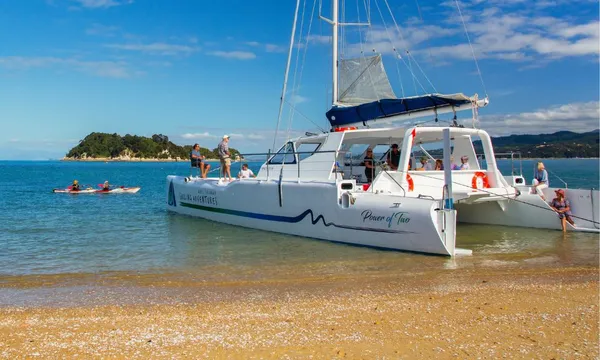
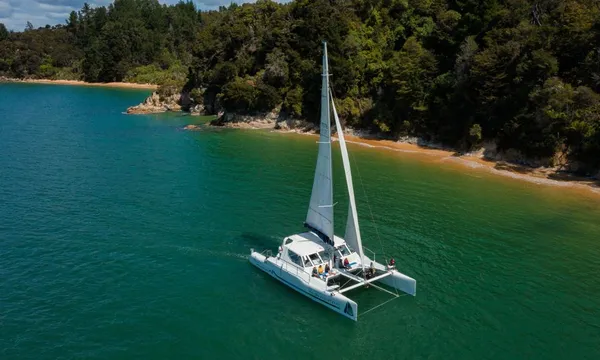
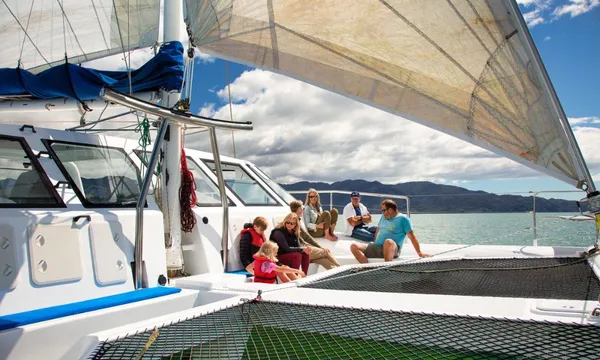
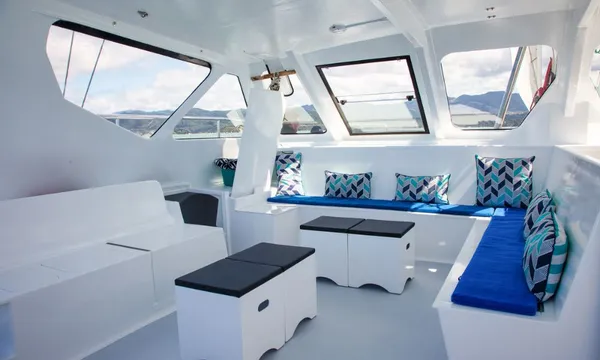
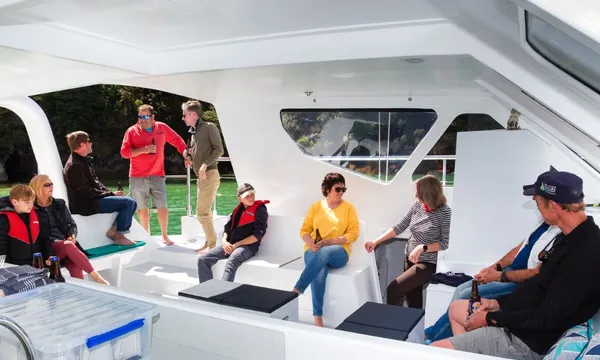
Abel Tasman National Park Sailing Tour - Full Day
Other things to do in Abel Tasman
Explore the best of Abel Tasman
Abel Tasman National Park
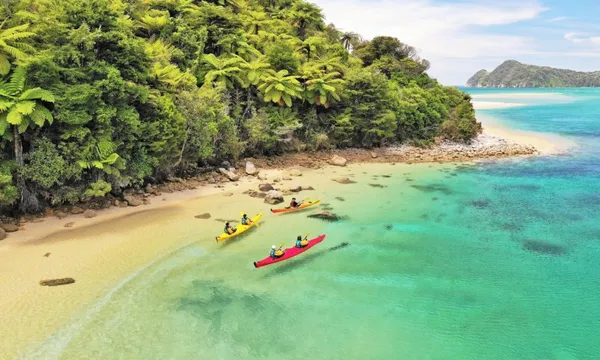
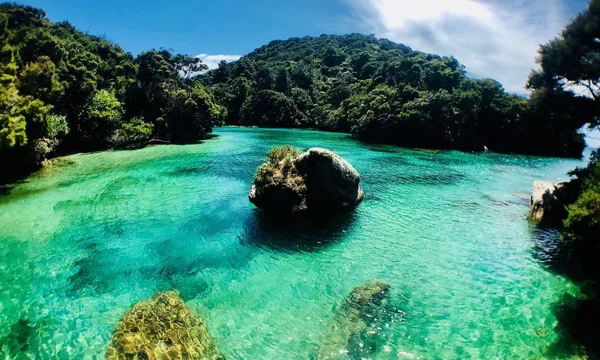
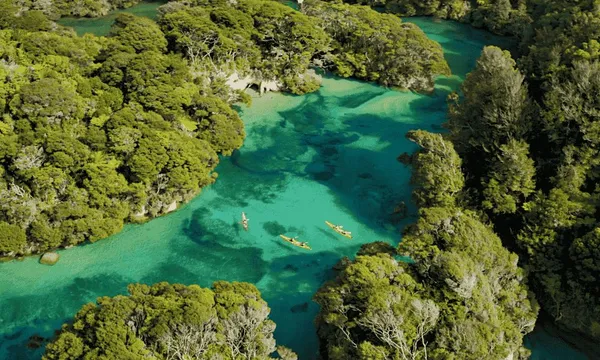
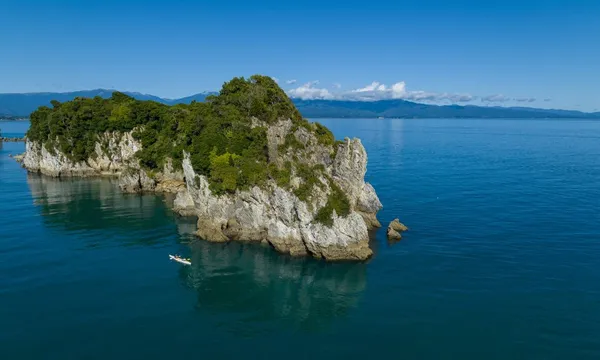
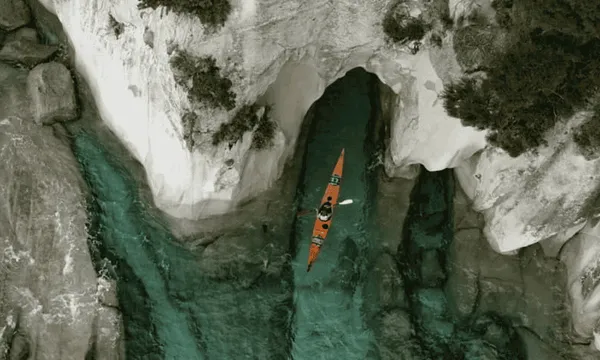
Abel Tasman sits at the top of the South Island, squeezed between Tasman Bay and Golden Bay. At around 22,350 hectares it's the smallest of New Zealand's national parks, packing golden beaches, granite headlands, sea caves and native forest into a short stretch of coastline. There's no road through the interior: the only ways in are on foot along the Abel Tasman Coast Track, one of New Zealand's Great Walks, or by kayak and water taxi. Marahau, on the park's southern boundary, and Kaiteriteri Beach further round the coast, are the two main gateway towns, and almost every tour on this page departs from one or the other.
Guided kayak tours from Marahau
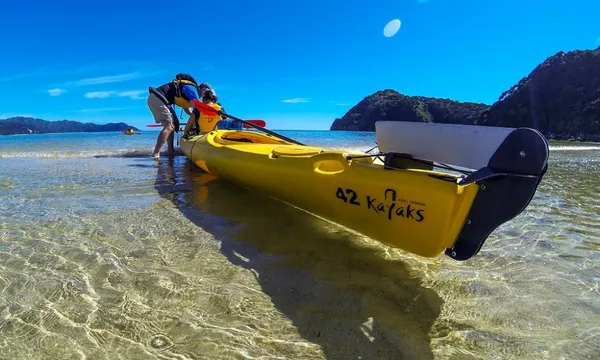
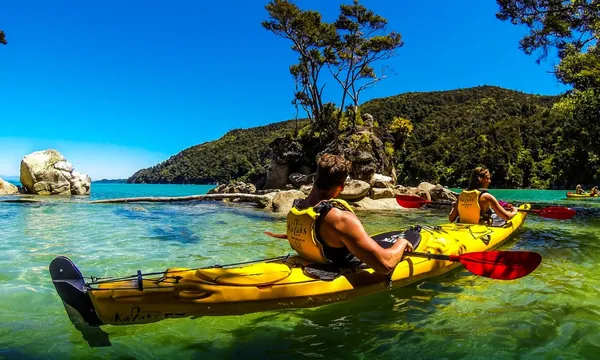
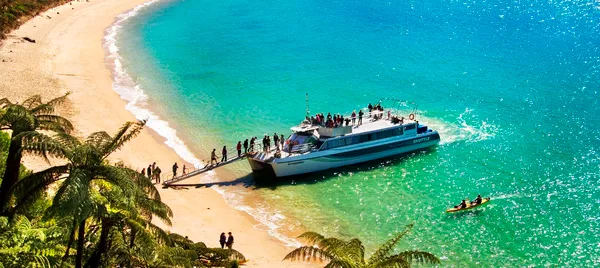
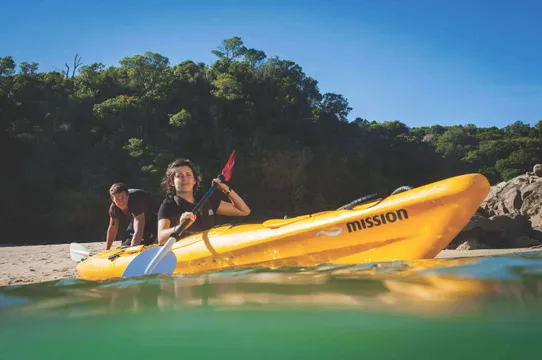
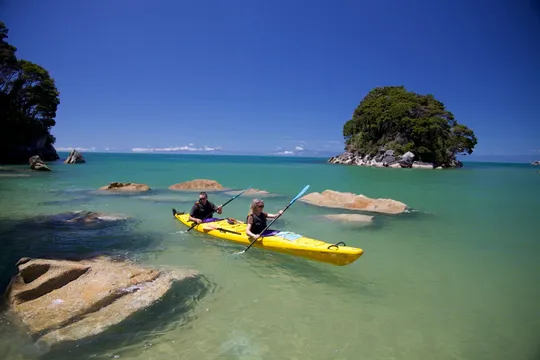
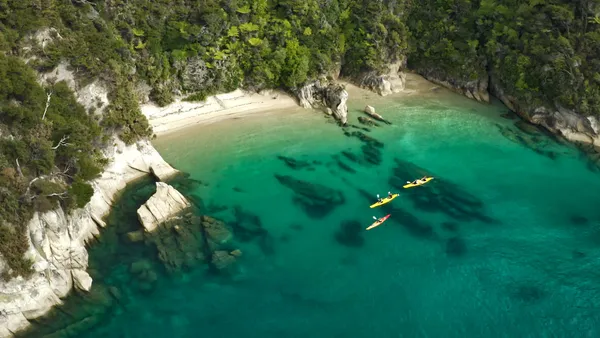
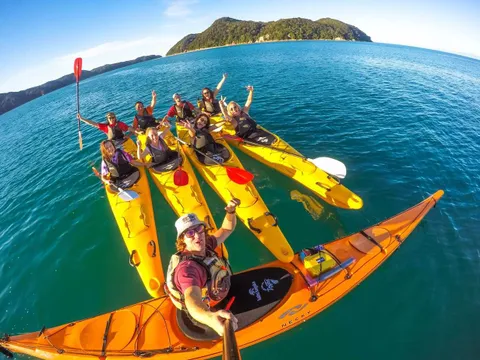
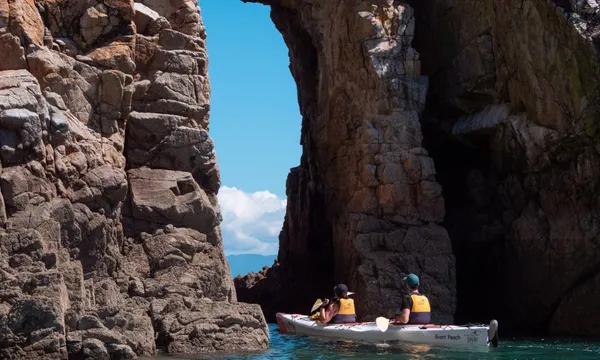
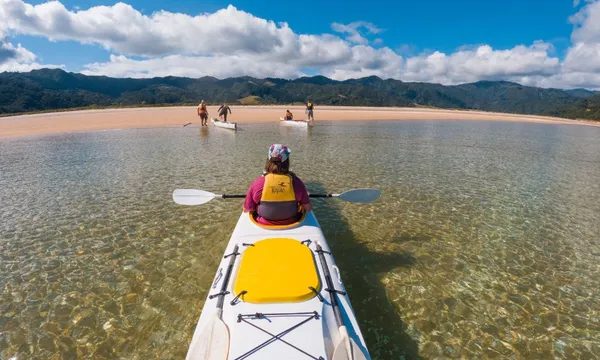
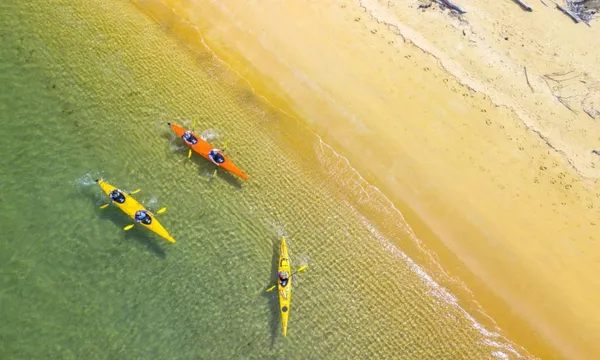
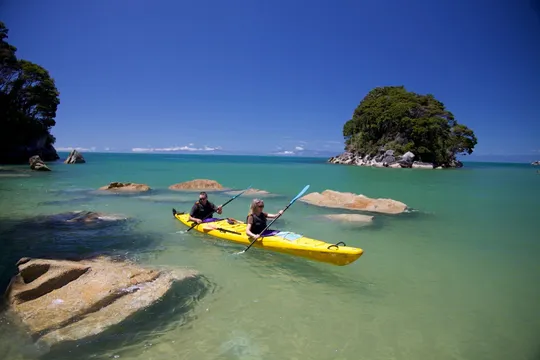
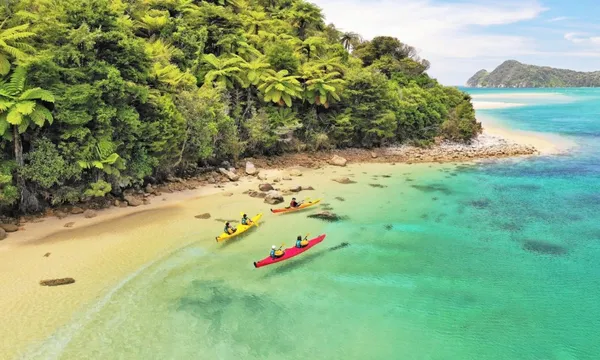
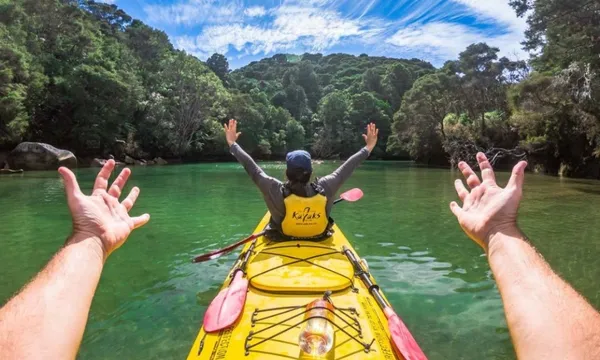
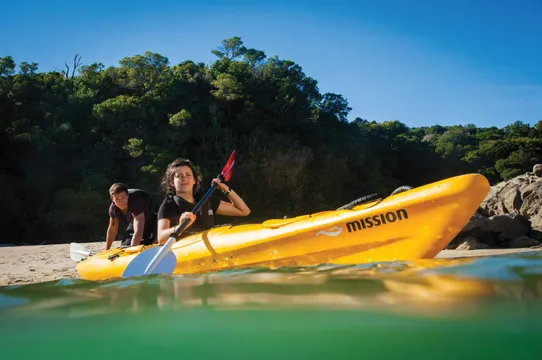
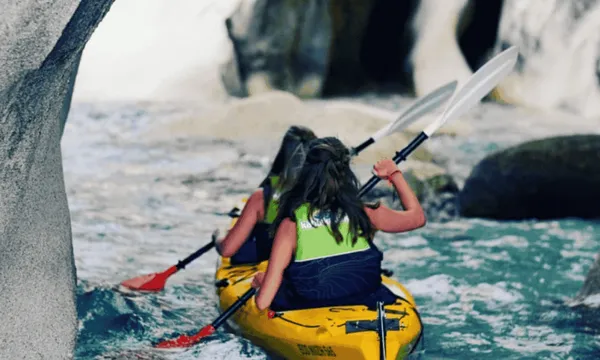
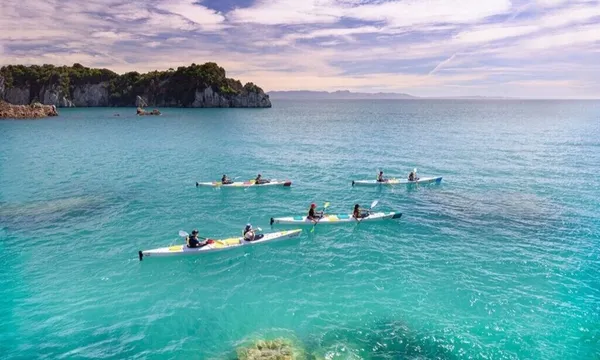
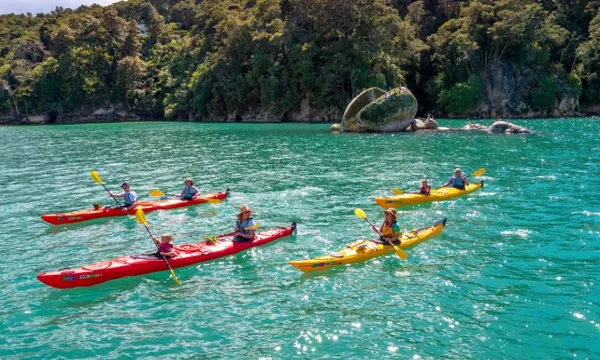
Most guided kayaking departs from Marahau Beach, at a pace built for first-timers. Kahu Kayaks' Family Cruiser Guided Kayak Tour runs as a half or full day, threading past sea caves and headlands to Split Apple Rock while a guide points out cormorants, seals and the occasional dolphin. The full day adds a water taxi to Anchorage Bay for an afternoon swim. Southern Blend, also with Kahu Kayaks, runs a three hour guided morning paddle through sea caves, reefs and lagoons, then swaps the water taxi for a self-guided afternoon walk through native bush, pairing paddling with the Coast Track in one day.
Kayak and walk combinations
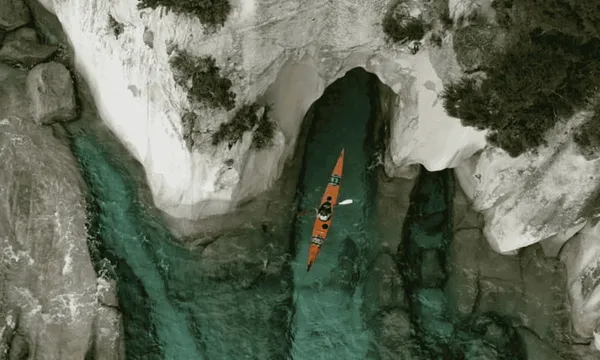
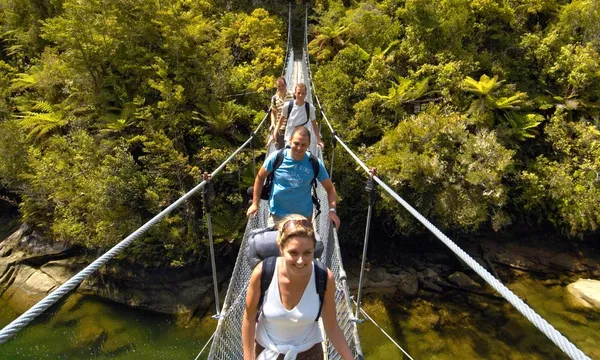
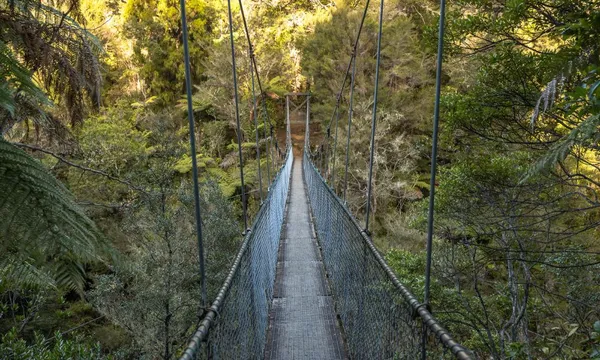
For a longer split between water and track, Abel Tasman Kayaks runs two full day options from Marahau pairing a guided kayak with a self-guided walk along the Great Walk itself. Kayak & Walk spends around two hours paddling and three hours walking past streams and views of Anchorage and the Astrolabe Islands, with lunch at Observation Beach. The Two Gods follows a similar split and adds a water taxi leg and a story: it's named for Tangaroa, the sea god, and Tāne Māhuta, the forest god, told as you pass the granite headlands it's named after, with seal colonies a regular sighting. Both include kayaking equipment, a safety briefing, lunch and a guide, with the route finalised on the day.
Freedom kayaking and Golden Bay
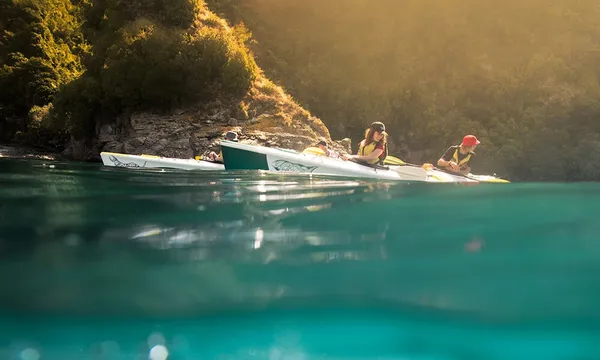
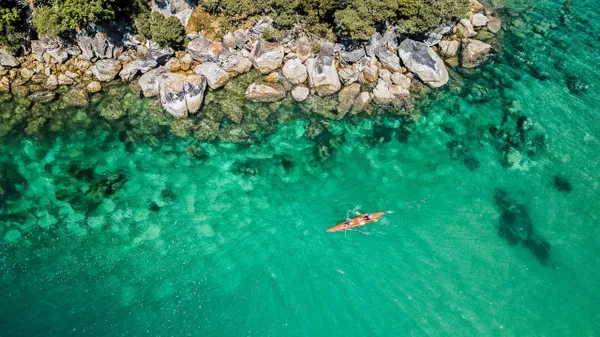
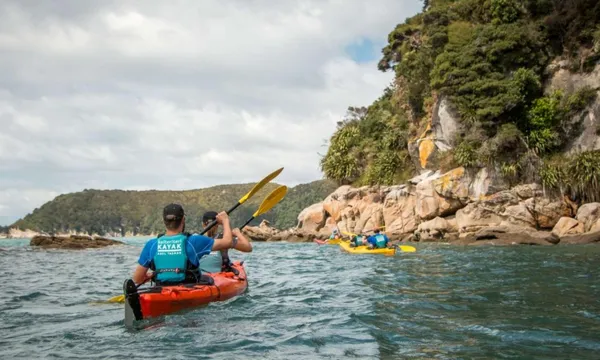
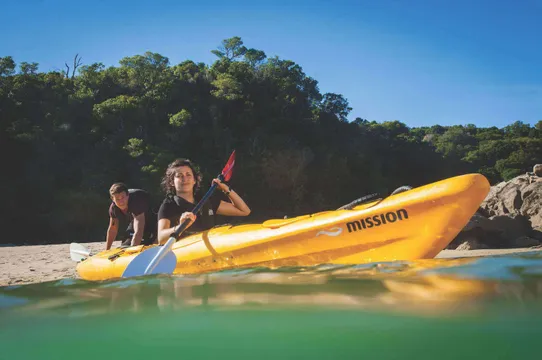
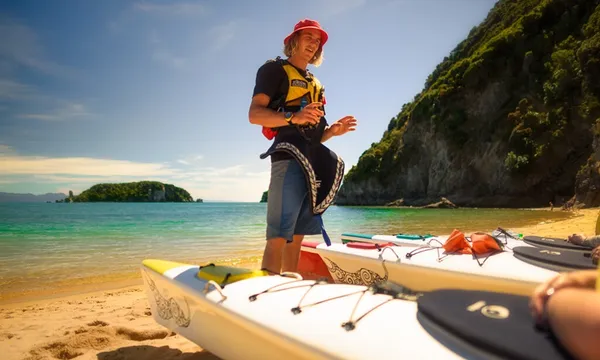
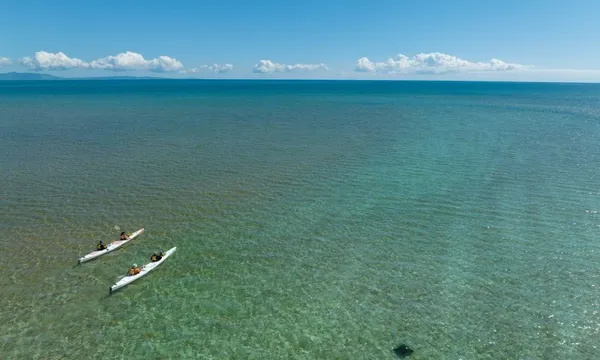
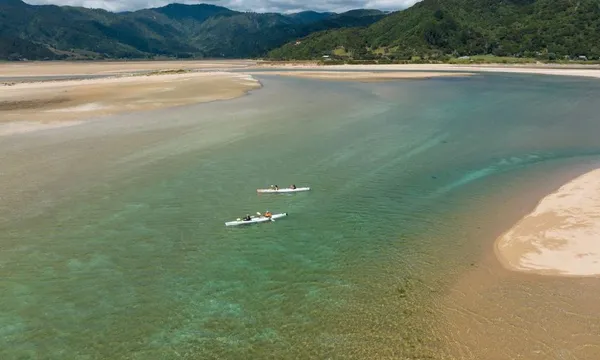
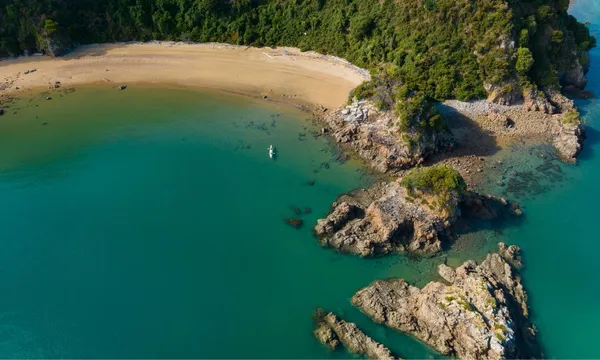
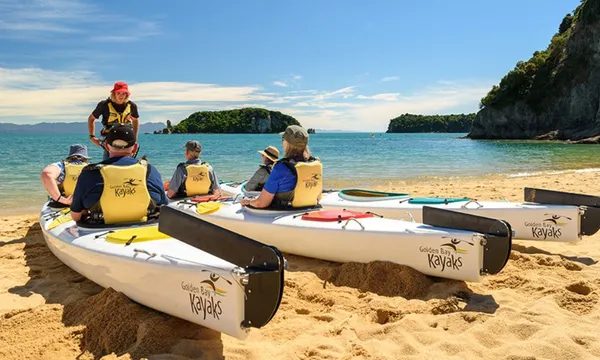
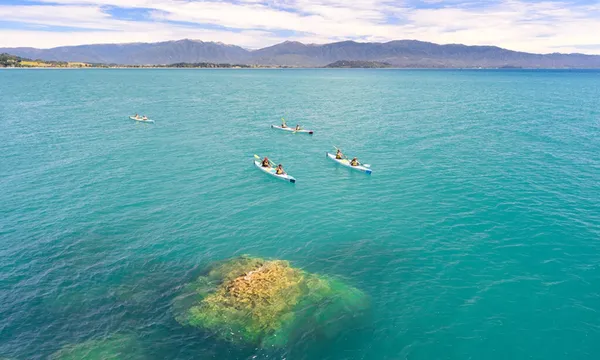
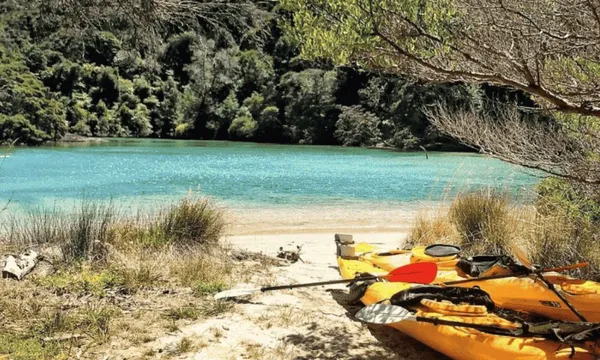
If you would rather set your own pace, 1 Day Freedom Kayaking with Kahu Kayaks starts with a briefing and paddling lesson at Marahau, then leaves you to explore the reefs, sea caves and coastline your way. Further north, Golden Bay Kayaks covers the quieter coastline from Tata Beach, past the Tata Islands, where shags, seals and sometimes blue penguins turn up. Their Half Day Independent Kayak Hire is self-guided, while their private kayaking tour pairs a local guide with the same coastline, seals and stingrays, plus a mid-tour break on a secluded beach.
Kayaking and cruising from Kaiteriteri
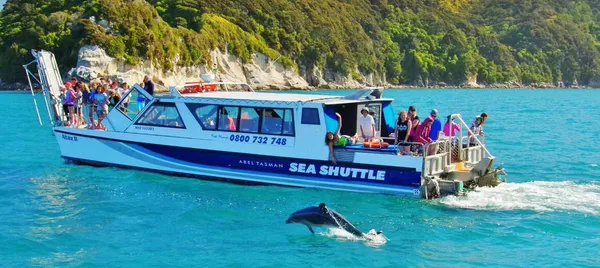
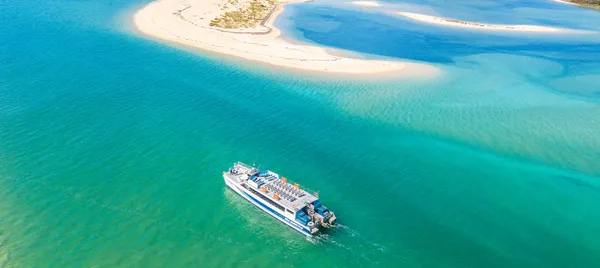
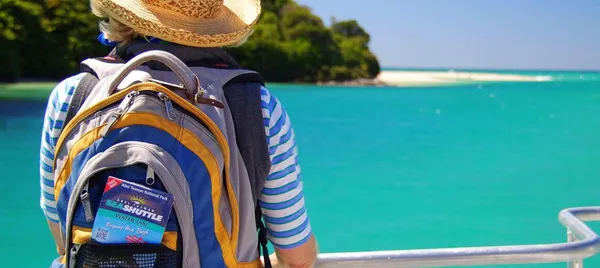
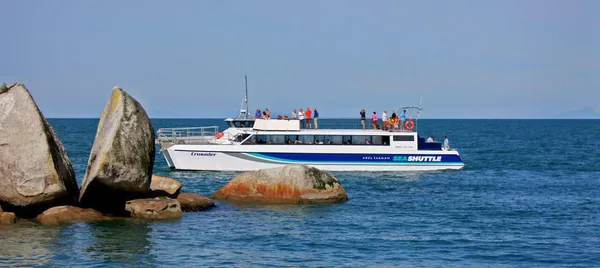
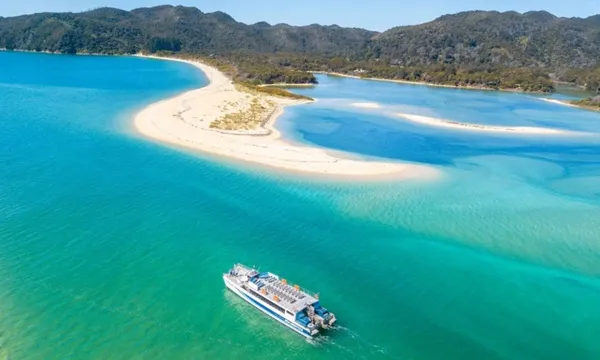
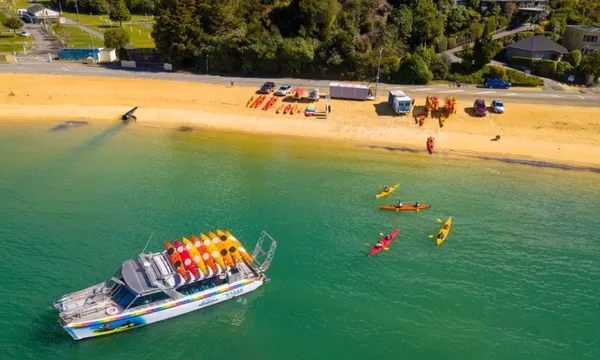
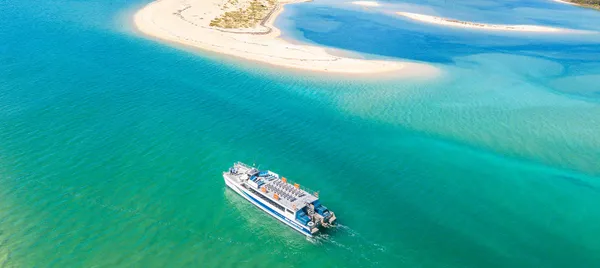
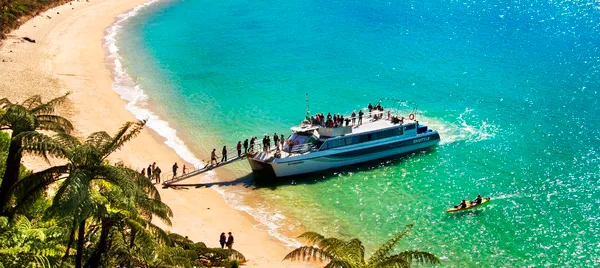
Kaiteriteri Beach, a short drive from Marahau, is the departure point for the park's boat cruises and an easy half day kayak trip. The Split Apple Classic paddles five kilometres to the park's namesake rock, taking in caves and lagoons and pitched at families and first-time kayakers. Abel Tasman Sea Shuttles' Half Day Abel Tasman Tour covers similar ground by boat in two hours, including the seal colony at Tonga Island, while the Full Day Abel Tasman Tour extends the route to Split Apple Rock, Tonga Quarry and Anchorage Bay. Guided Kayak, Seals & Cruise mixes both, pairing a paddle to Split Apple Rock and the seals with a transfer to Anchorage Bay and a choice of the Pitt Head loop past a Māori pā site, or Cleopatra's Pools and its rock water slide.
Skydiving over the national park
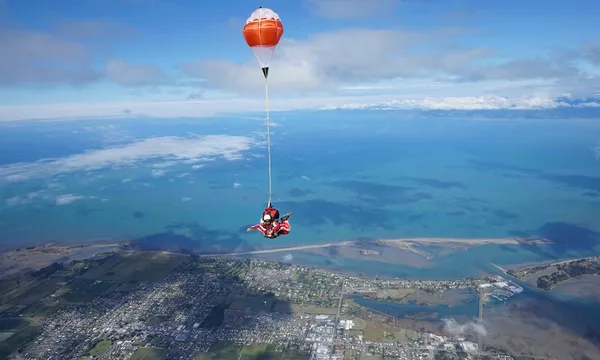
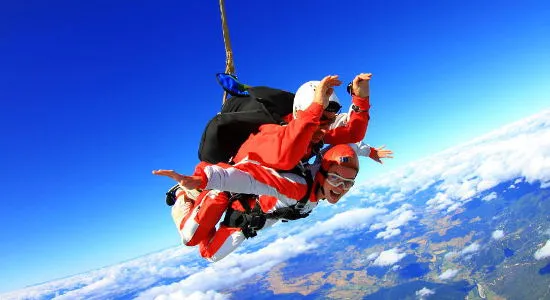
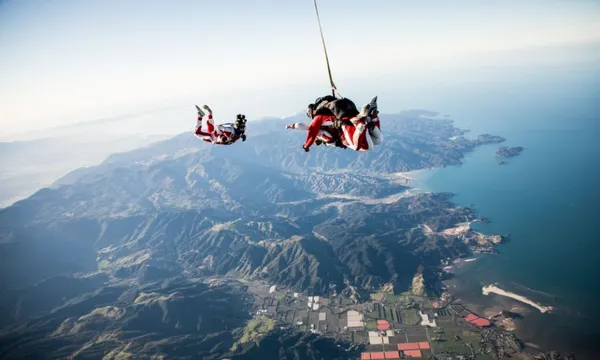
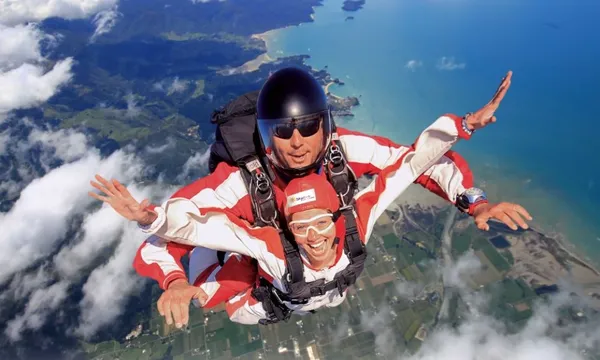
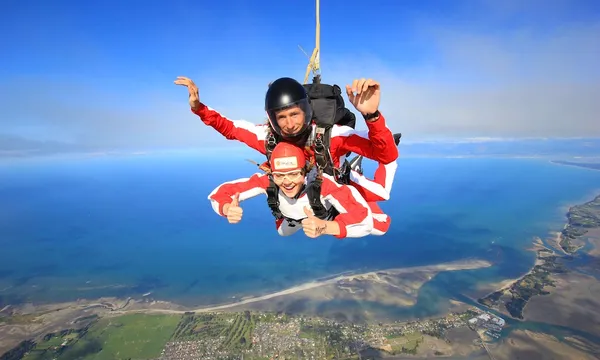
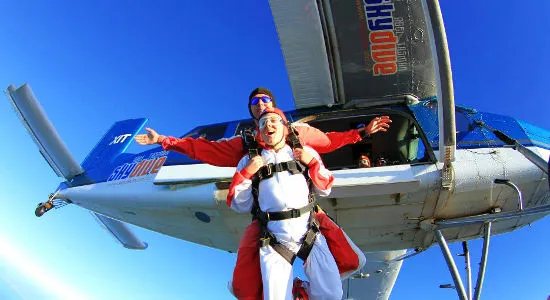
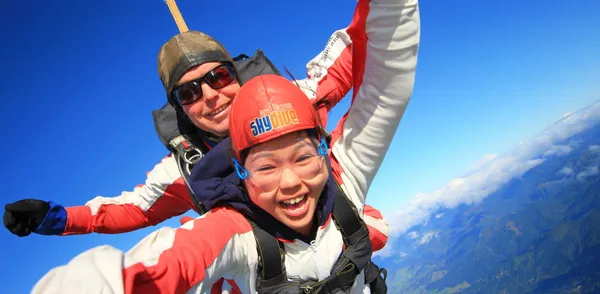
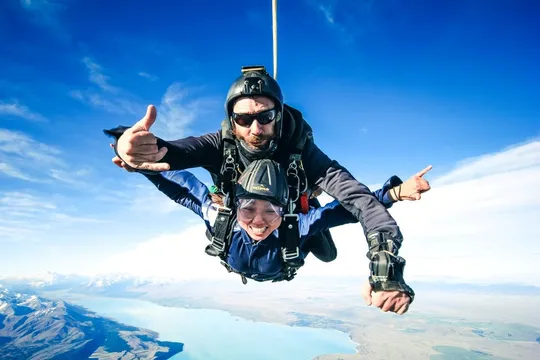
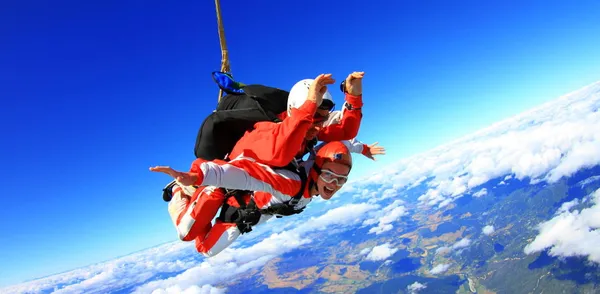
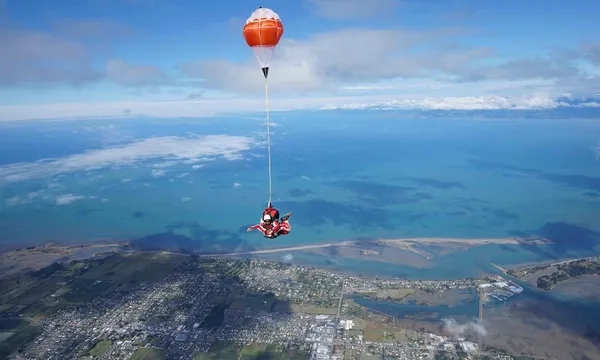
Skydive Abel Tasman jumps from Motueka Airport, about an hour from Nelson, with free transfers from Nelson, Tasman, Motueka, Marahau and Kaiteriteri, every altitude sharing the same drop zone over the park's beaches and Golden Bay. The 10,000ft jump gives around 30 seconds of freefall; step up to the 13,000ft jump for 45 seconds, or the 16,500ft jump for 70 seconds at around 200kph. The 18,000ft jump is the longest freefall on offer and requires an oxygen mask. It's one of the only tandem operators in the country set up for skydivers with disabilities, and has logged well over 100,000 jumps.
Family-friendly days out
Between the gentle-paced guided kayaks, the paddle-free cruises and the short walks around Anchorage Bay, Abel Tasman suits a family day better than most national parks. The Family Cruiser and Split Apple Classic are aimed at first-time paddlers and kids, and either Sea Shuttle cruise is a no-effort fallback. A walk to Cleopatra's Pools, with its rock slide, or time on the beach at Anchorage Bay, closes out a longer day well.
Choosing the right day
Choose by effort and time. A two-hour cruise or half-day kayak suits a quick visit or younger kids. A full-day kayak and walk combination suits those wanting water and track in one trip. Freedom kayaking and Golden Bay's private options suit anyone who would rather set their own pace, and a skydive from Motueka puts the whole park below you at once.
Frequently Asked Questions
What is Abel Tasman known for?
Golden beaches, turquoise water and the Abel Tasman Coast Track, one of New Zealand's Great Walks. It's also the smallest national park in the country, with no road through the interior, so the coast is reached on foot, by kayak or by boat.
How do you get to Abel Tasman?
Most visitors reach the park through Marahau or Kaiteriteri Beach, around an hour's drive from Nelson. Kayak tours depart from Marahau or Tata Beach, cruises leave from Kaiteriteri, and operators often offer transfers.
What is the best way to experience Abel Tasman?
Kayaking gets you closest to the sea caves and headlands, a cruise covers more ground with less effort, and a skydive gives you the whole park from the air.
Is Abel Tasman good for families?
Yes. Guided kayak tours such as the Family Cruiser run at a gentle pace with experienced guides, cruises need no paddling, and Anchorage Bay has easy short walks and calm swimming.
When is the best time to visit Abel Tasman?
Summer, December through March, has the warmest water and calmest kayaking conditions, and several tours run seasonally within these months. Seal sightings on boat and kayak tours are common year-round.