Fiordland National Park Tours from Queenstown
Cruise, kayak or fly into Fiordland National Park from Queenstown or Te Anau: Milford Sound, Doubtful Sound and NZ's wildest walking tracks.
Find Fiordland & Milford Sound
Top experiences
49 experiences found
All filters

















Doubtful Sound
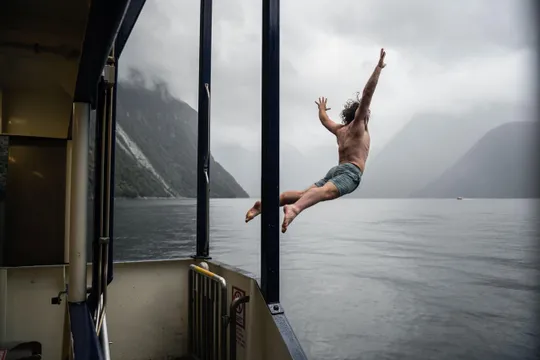
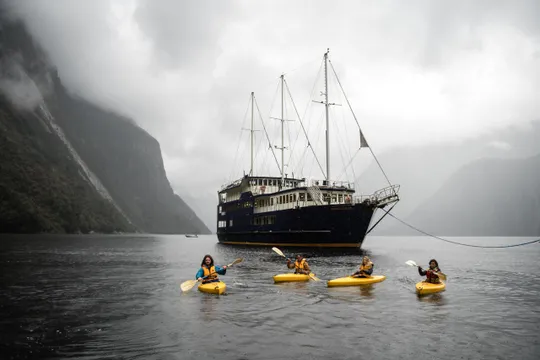
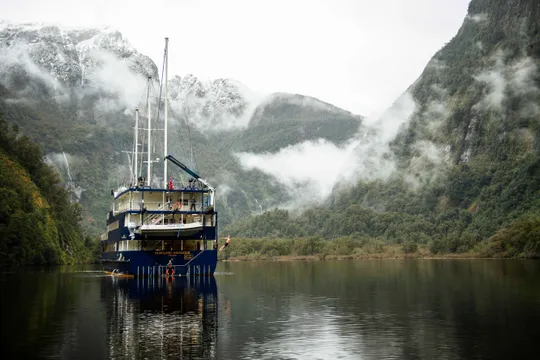
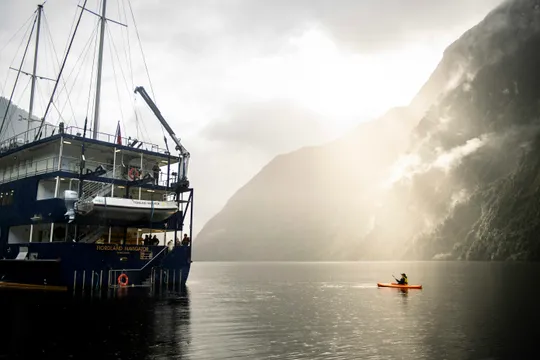
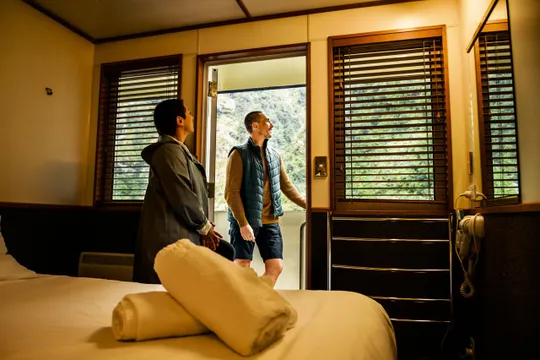
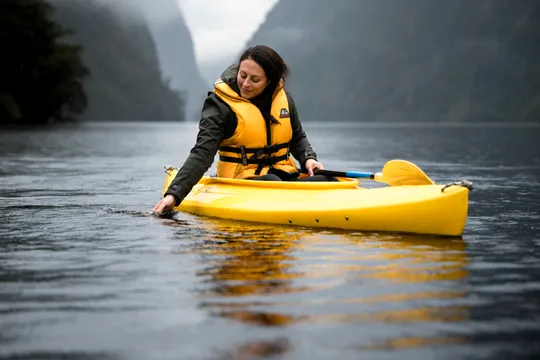
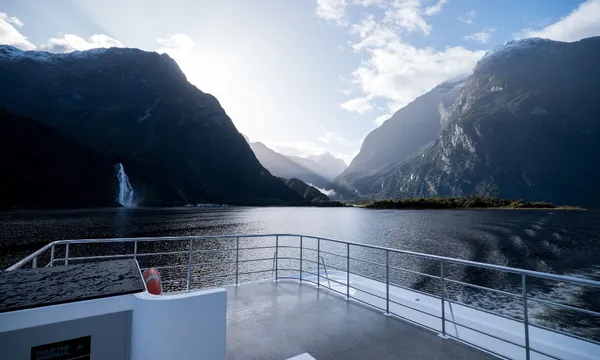
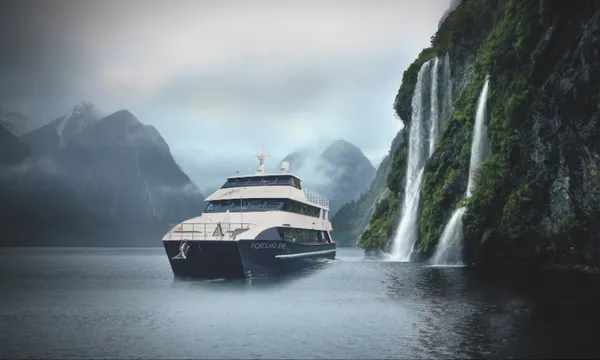
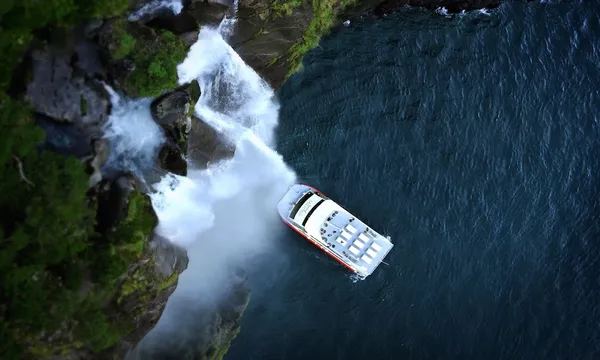
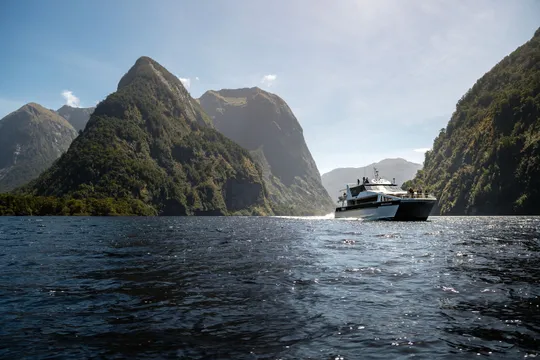
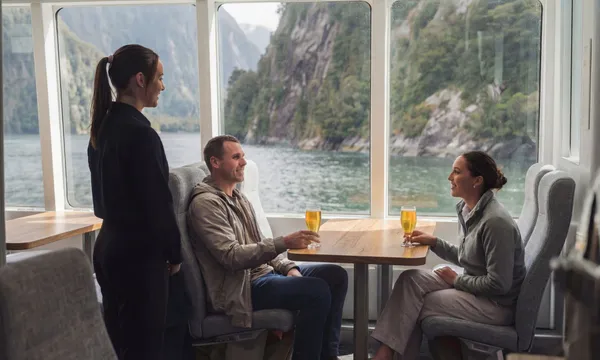
Doubtful Sound Overnight Cruise on the Navigator
















Doubtful Sound
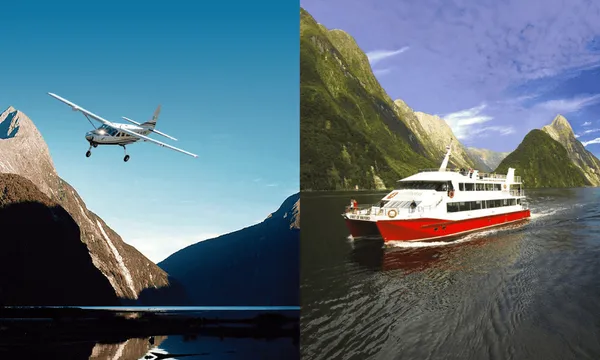
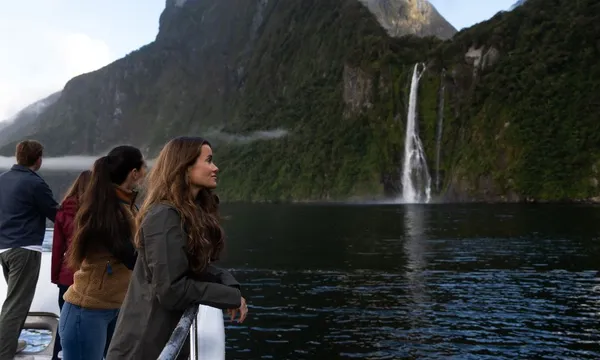
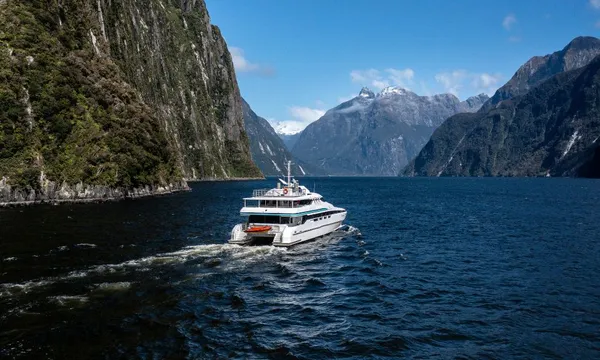
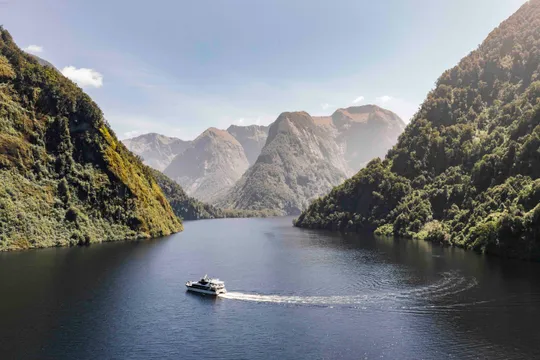
Doubtful Sound Overnight Cruise on the Wanderer

















































































































Other regions to explore
View all fiordland national parkDiscover Fiordland & Milford Sound
Fiordland National Park
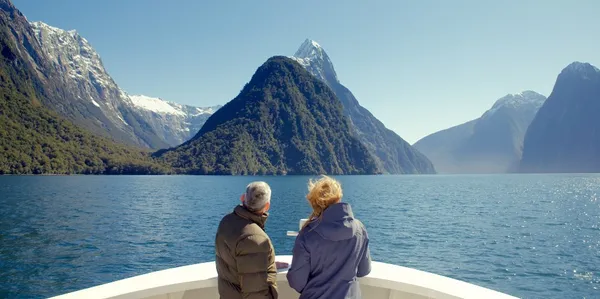
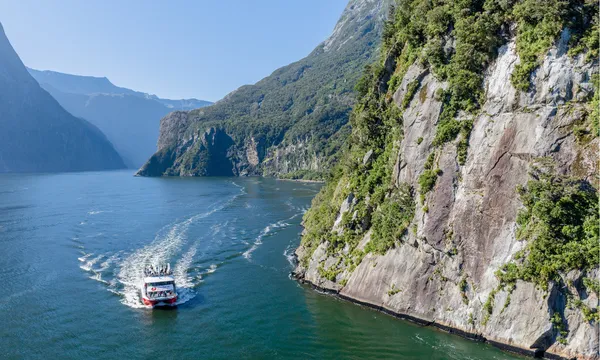
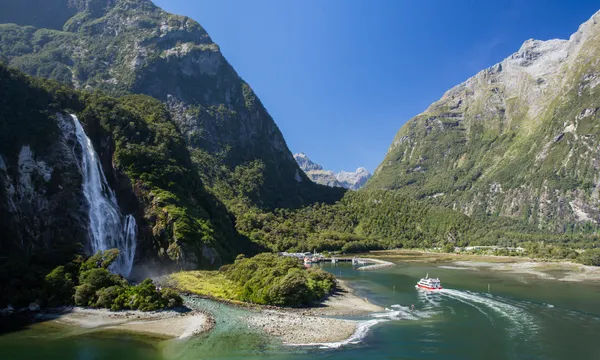
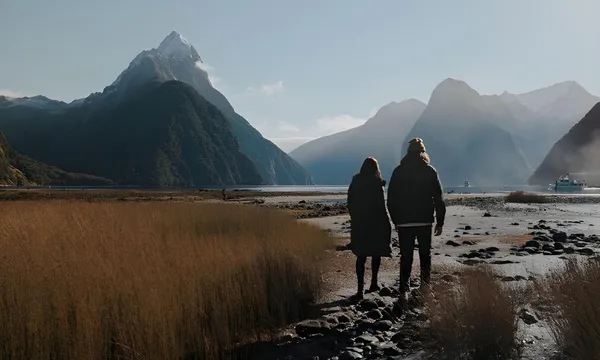
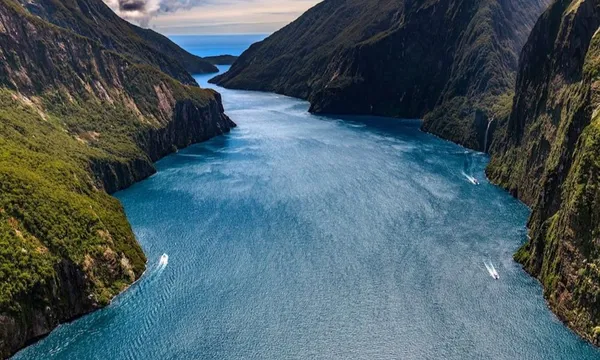
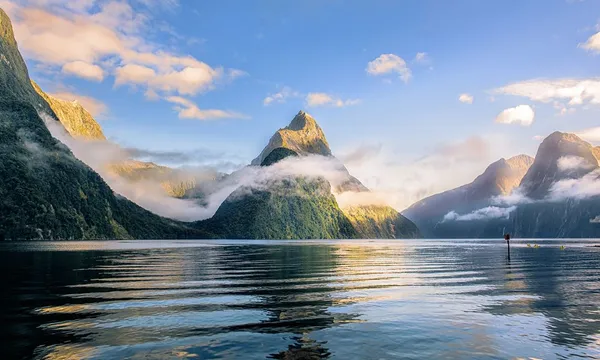
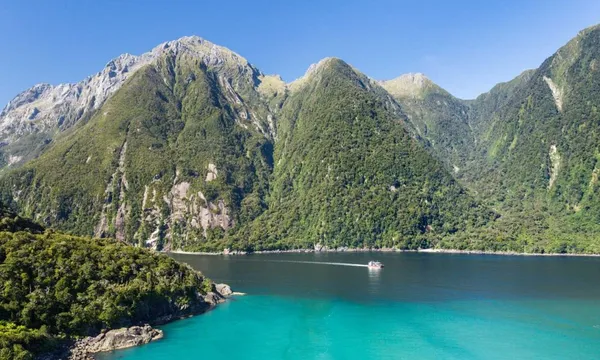
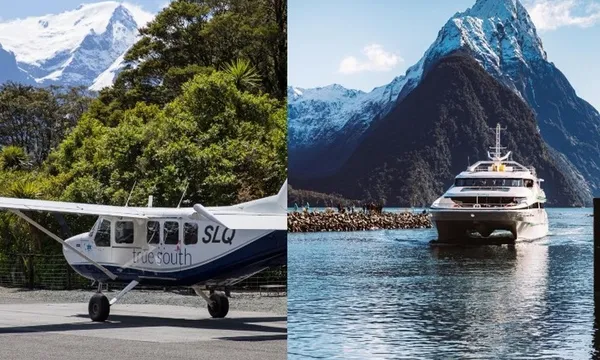
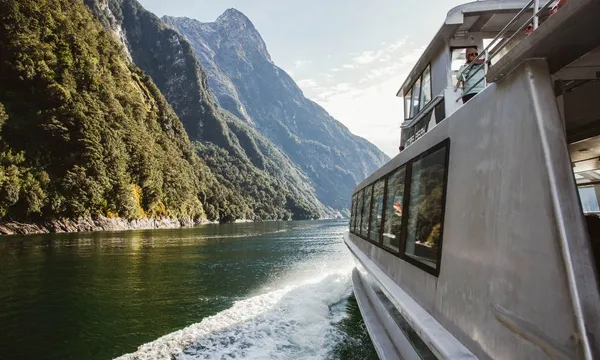
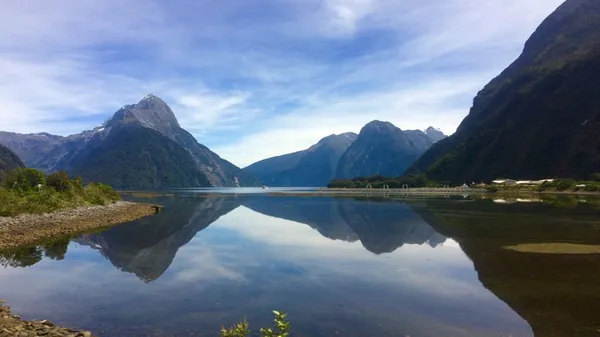
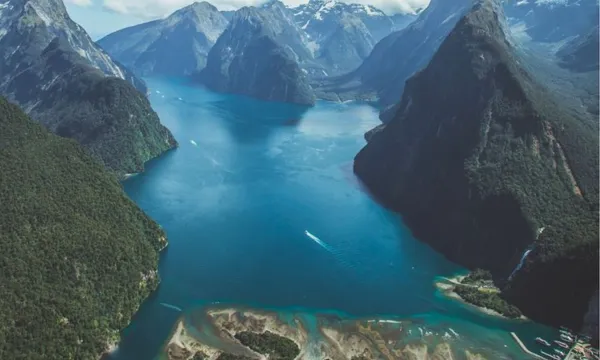
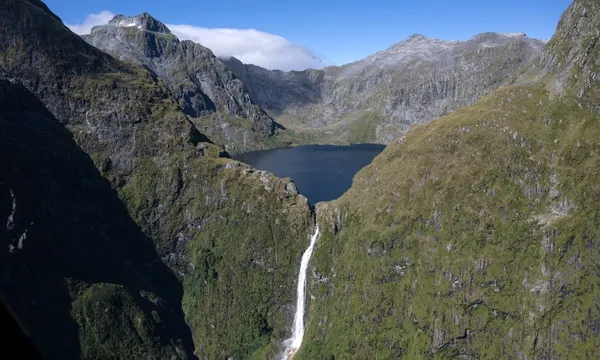
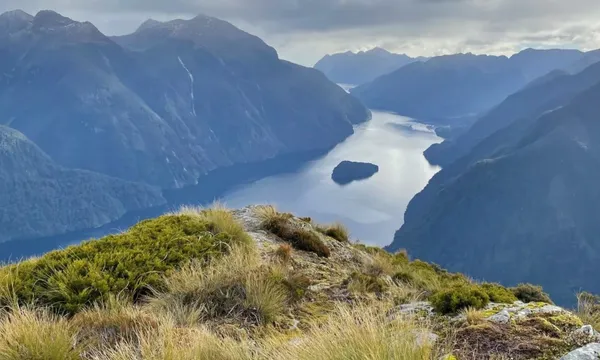
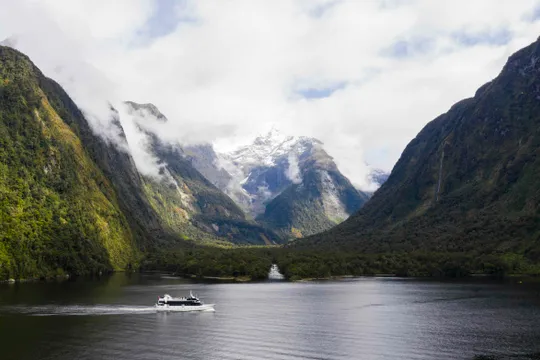
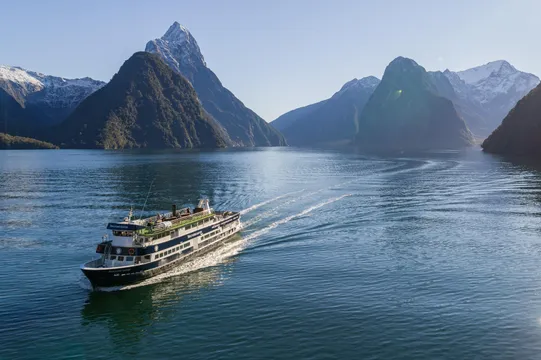
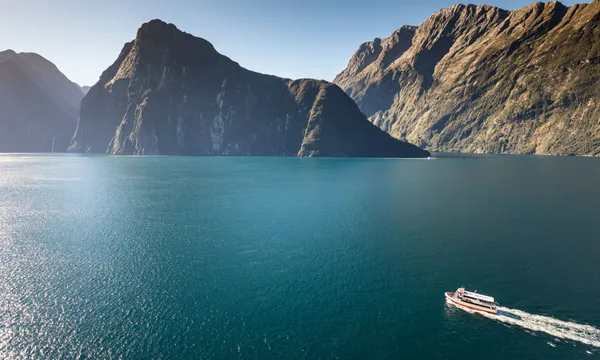
Fiordland National Park covers roughly 1.2 million hectares of the South Island's southwest corner, making it New Zealand's largest national park and the core of the Te Wahipounamu World Heritage Area. Sheer granite walls drop straight into the sea at Milford Sound and Doubtful Sound, waterfalls run year-round off hanging valleys, and rainforest crowds right up to the water's edge. Most visitors base themselves in Queenstown or Te Anau and head into the park for the day, though a night on the water changes how the fiords feel.
Milford Sound tours
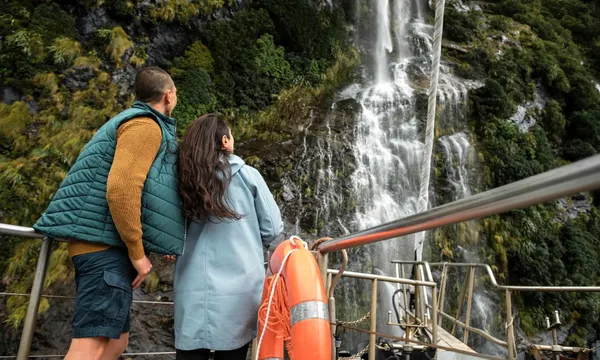
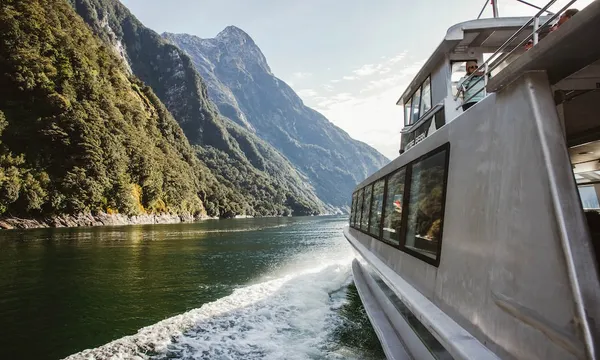
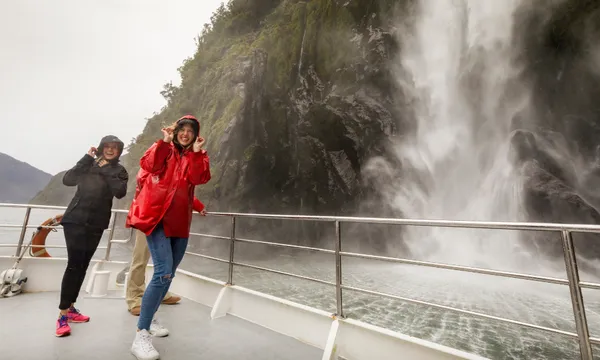
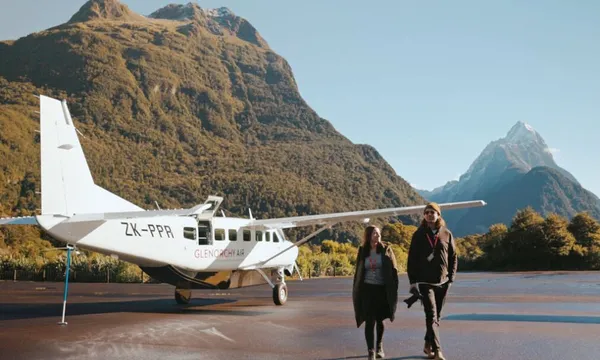
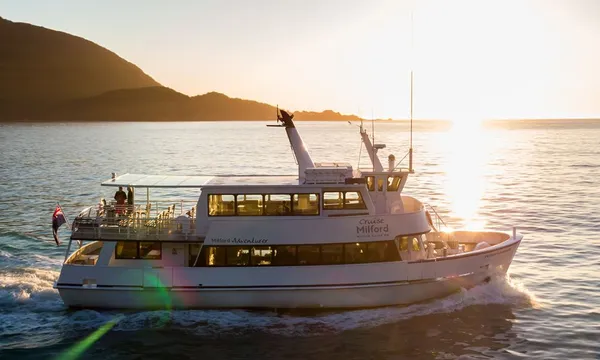
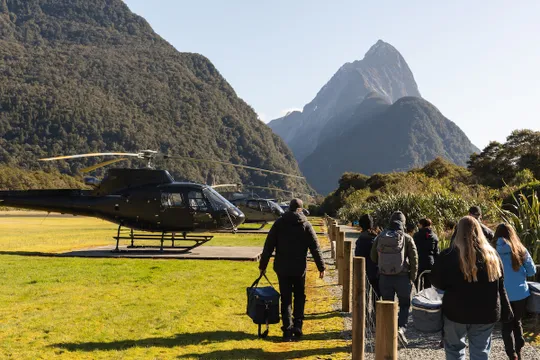
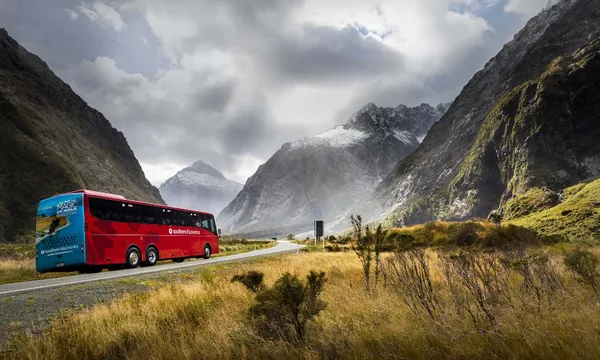
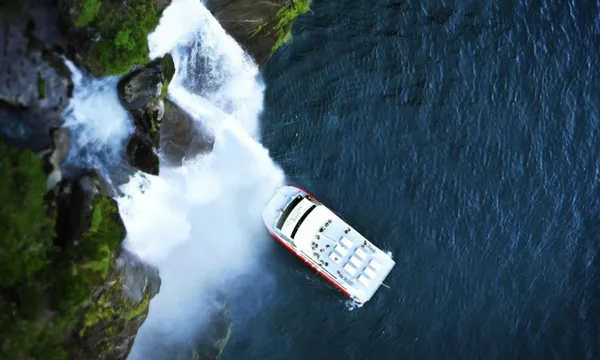
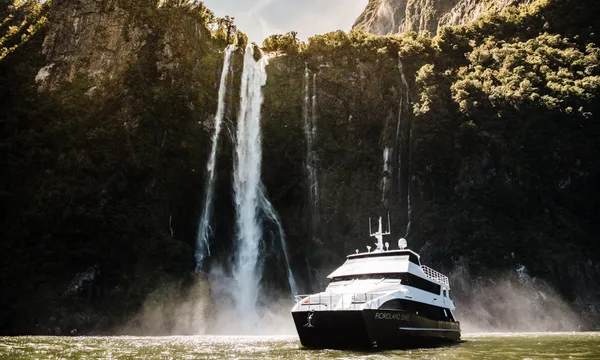
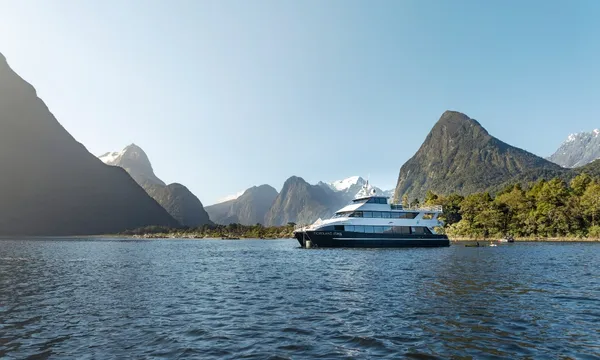
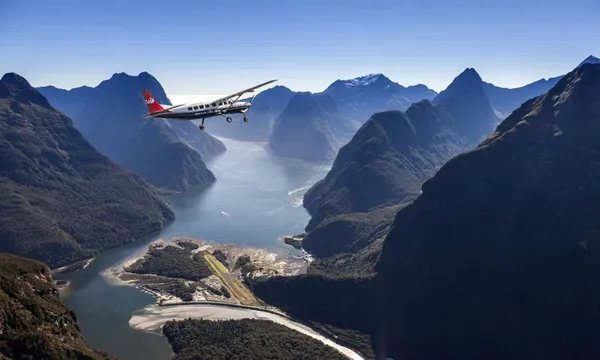
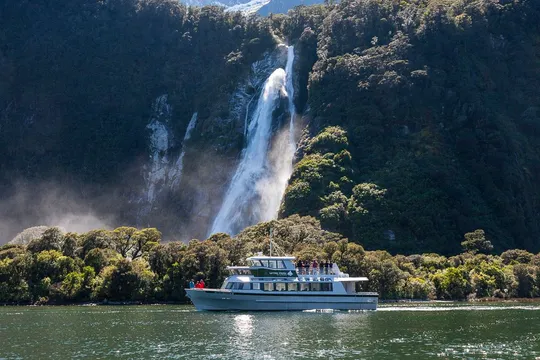
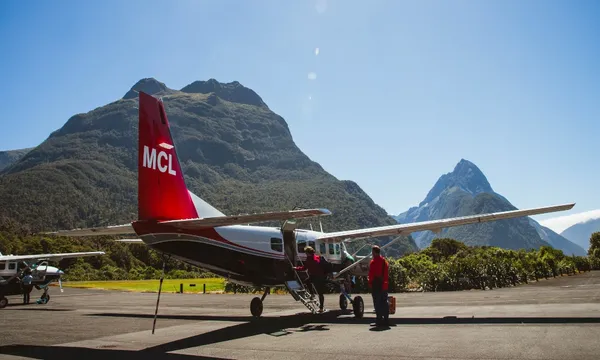
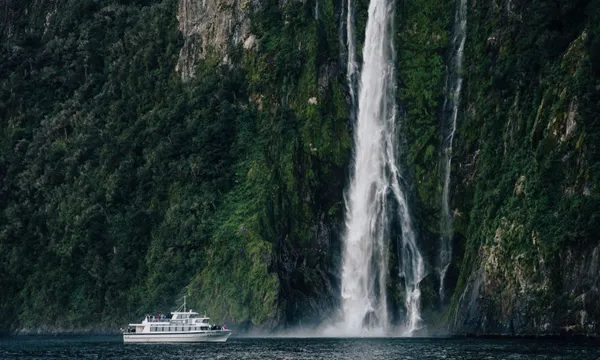
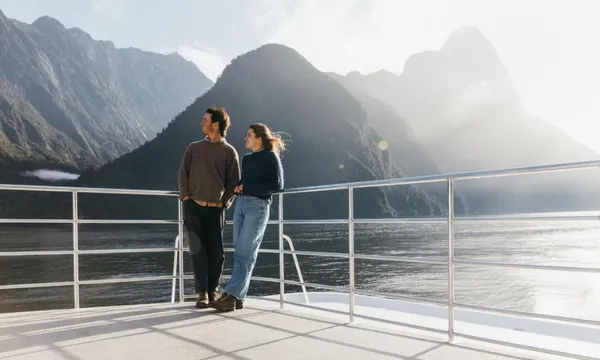
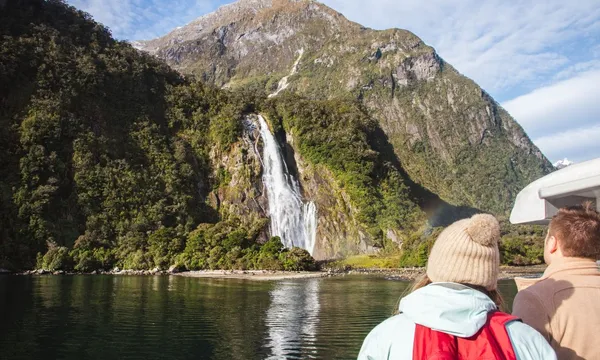
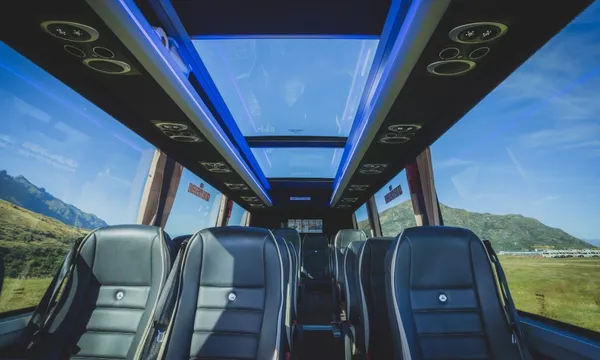
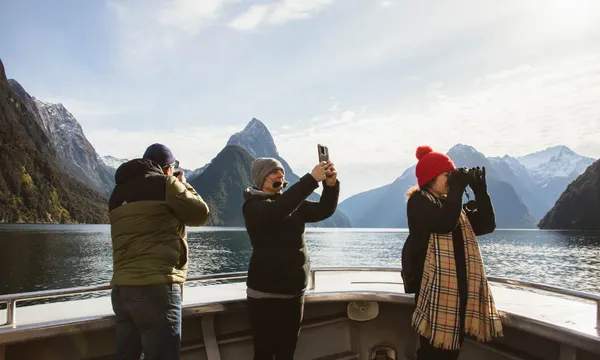
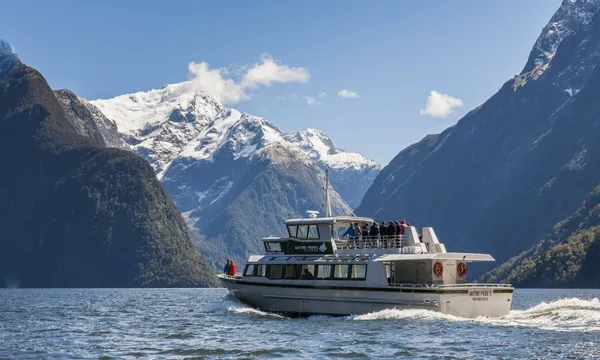
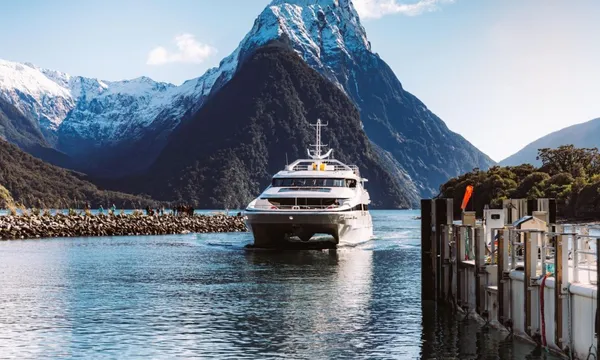
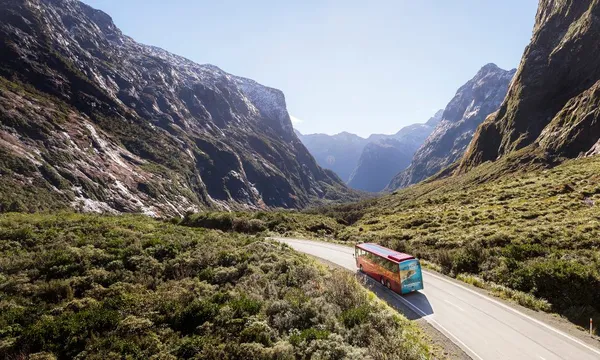
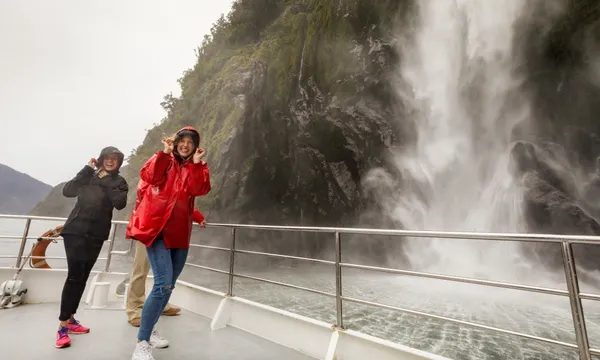
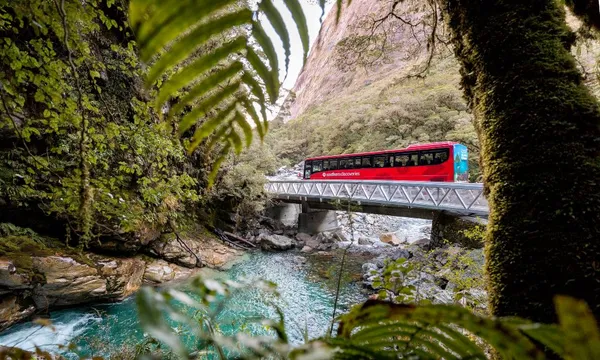
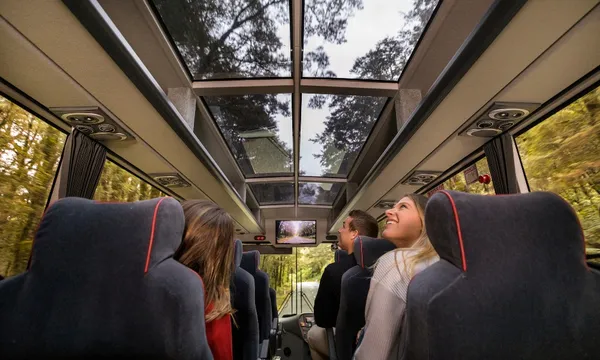
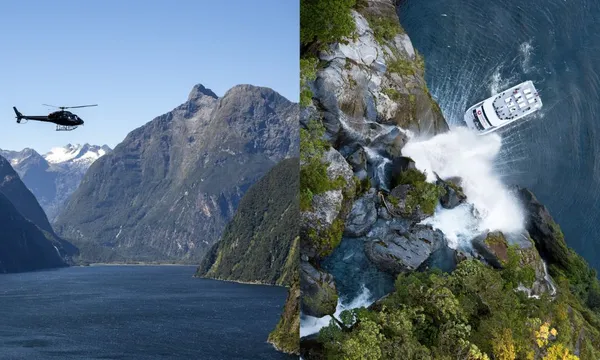
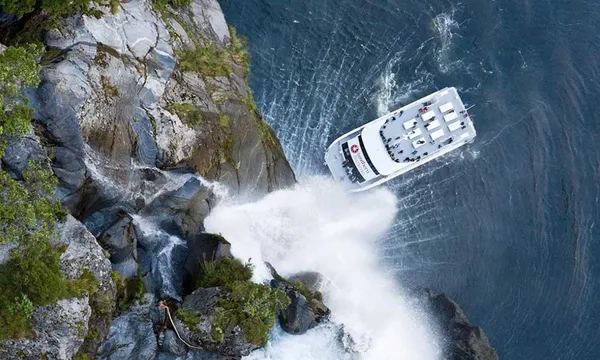
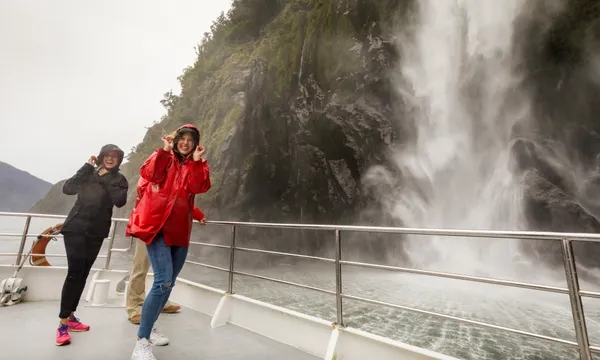
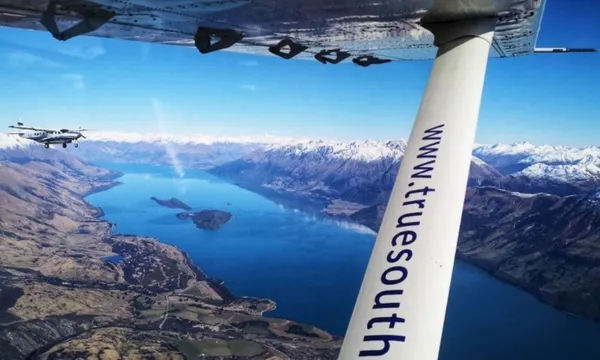
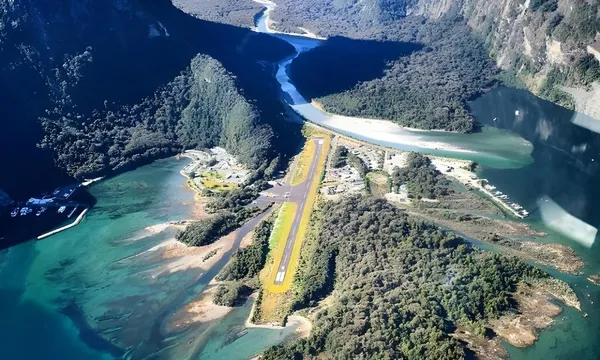
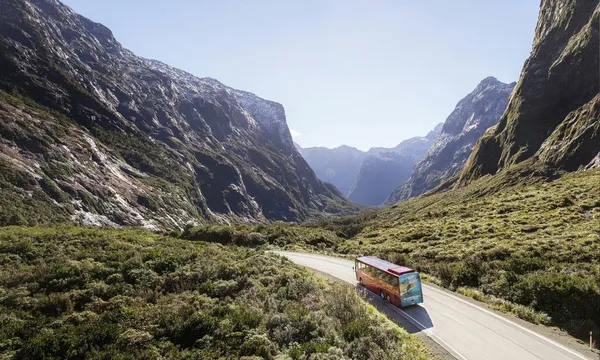
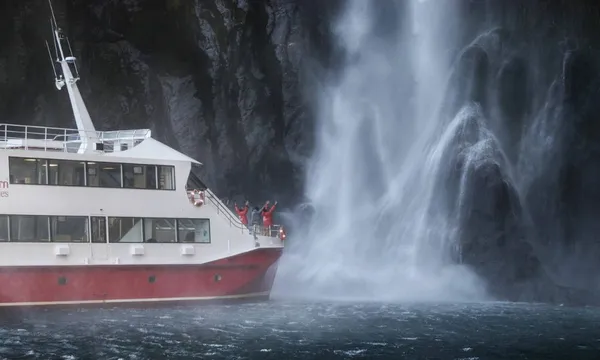
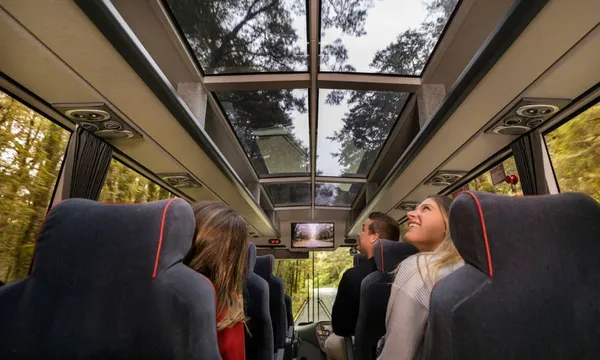
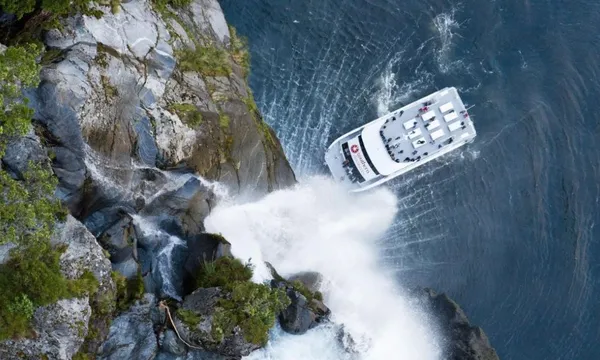
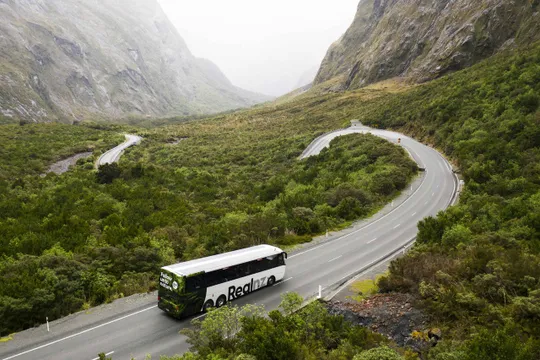
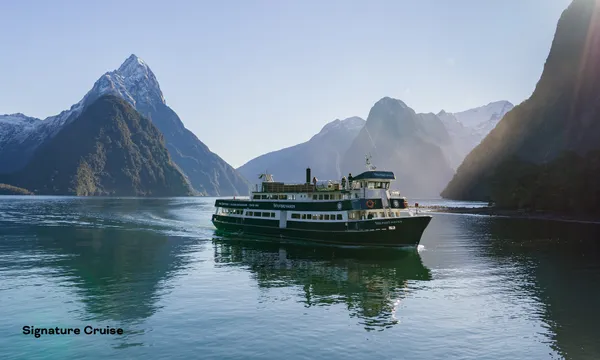
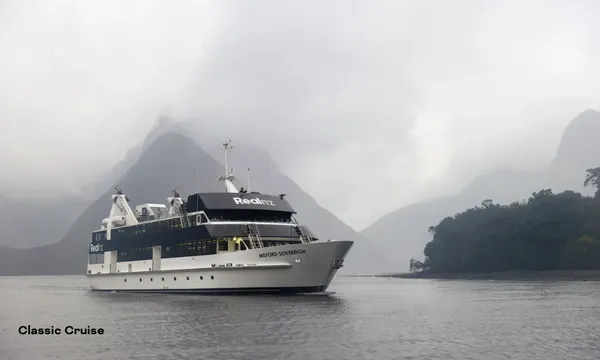
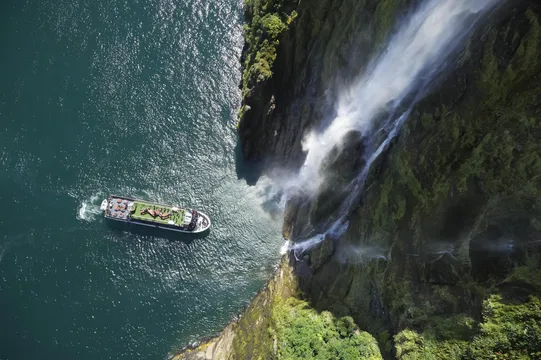
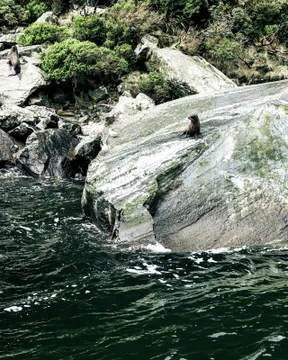
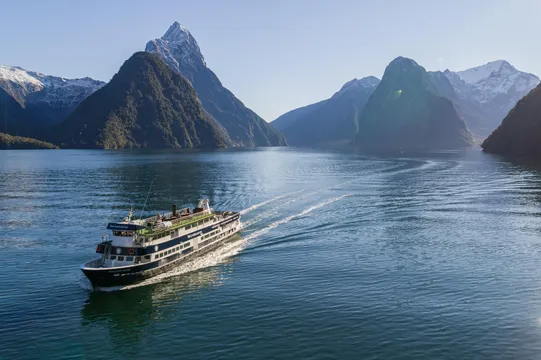
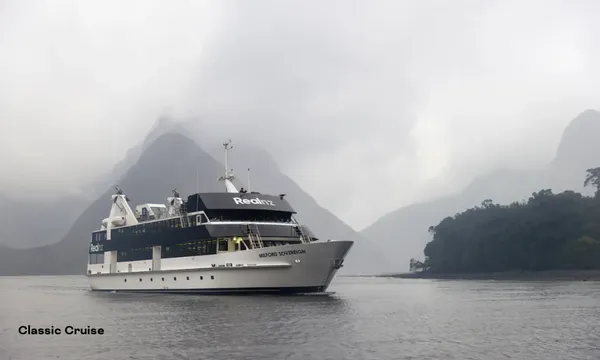
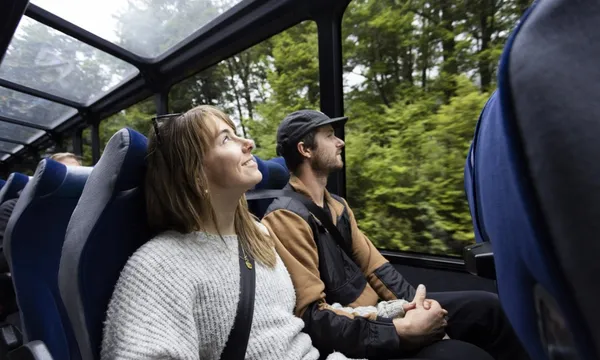
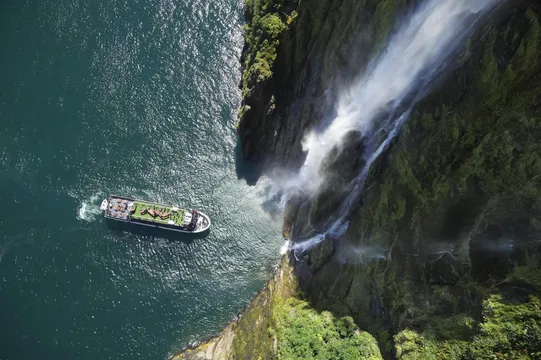
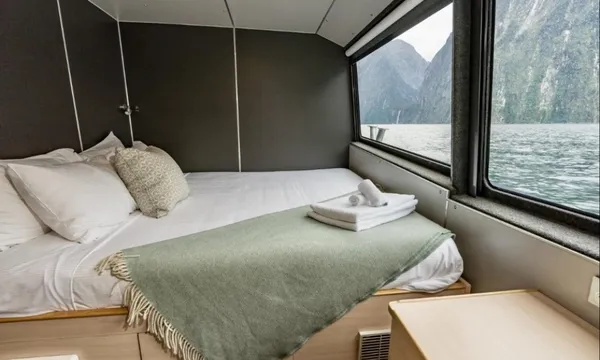
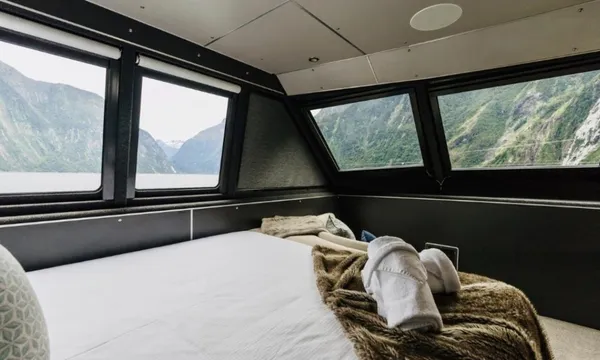
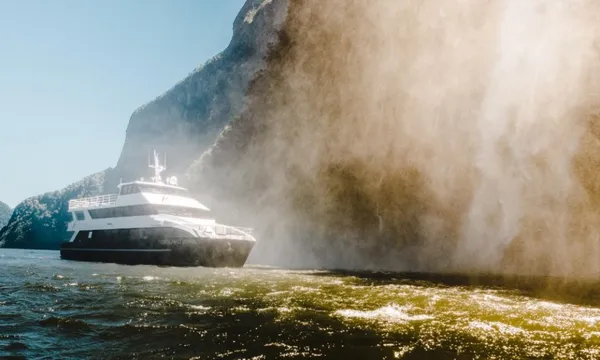
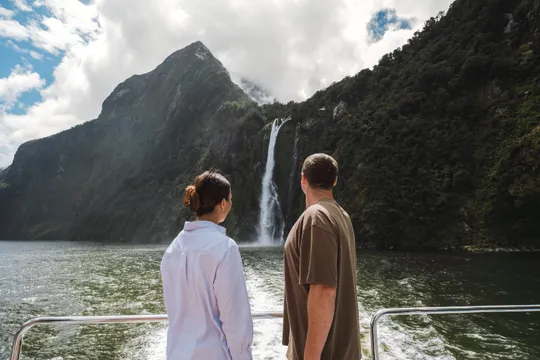
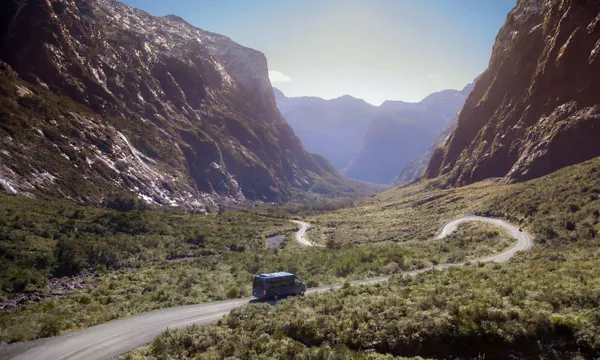
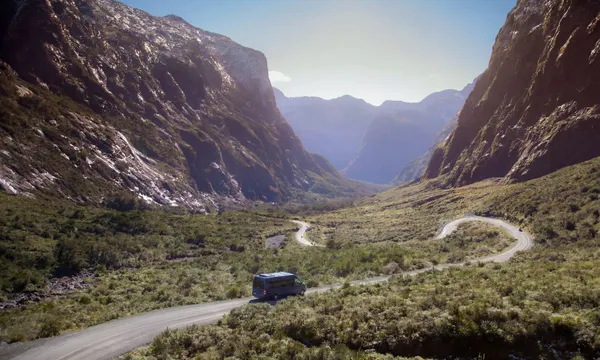
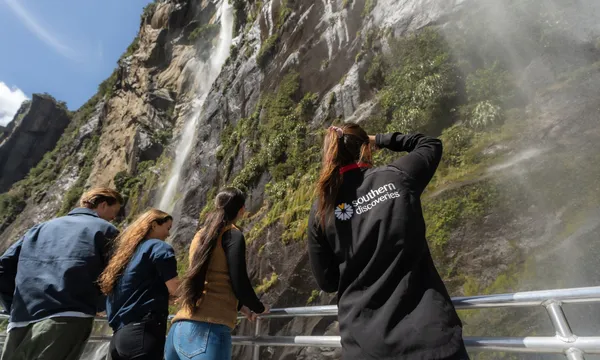
Milford Sound is the park's best-known fiord, and the drive over the Homer Tunnel is part of the trip. The Milford Sound Small Group Coach & Cruise from Queenstown keeps groups to 15 or fewer, travelling in a glass-roofed Mercedes van before a nature cruise that gets close enough to Stirling Falls that you might get wet. For a different angle, the Milford Sound Fly Cruise Fly with Glenorchy Air flies over Lake Wakatipu and the glaciers of Mount Aspiring National Park before landing at Milford for a cruise beneath Stirling Falls, then returns to Queenstown by a different route so the scenery doesn't repeat. To stay on the water after the day trippers leave, the Milford Overnight Cruise anchors for the night, with kayaking or tender boat exploring, a buffet dinner and cabins with ensuites, while a nature guide points out tawaki (Fiordland crested penguins), seals and dolphins as the light fades.
Doubtful Sound: the quieter fiord
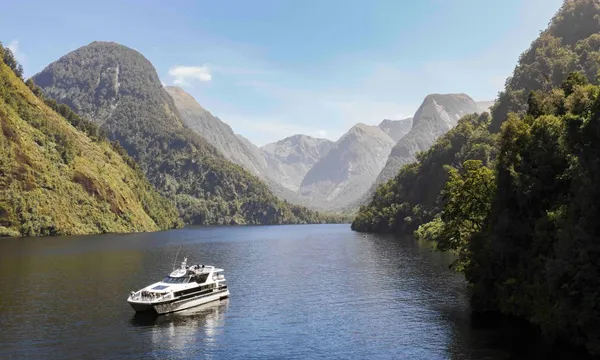
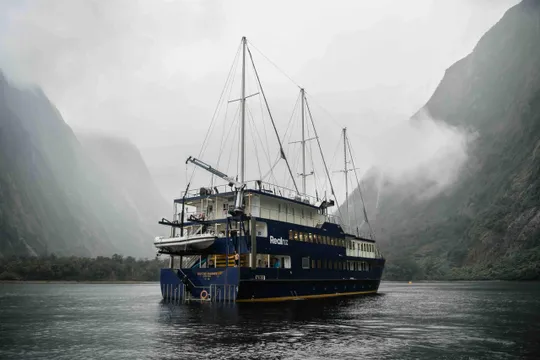
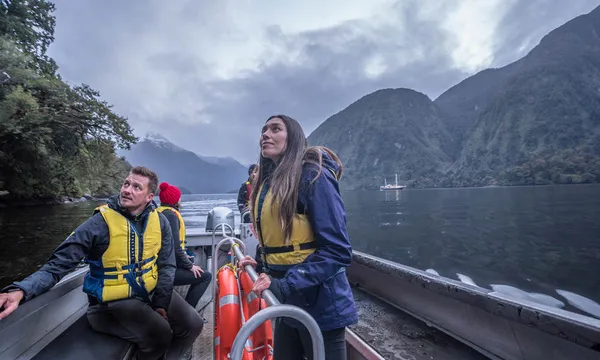
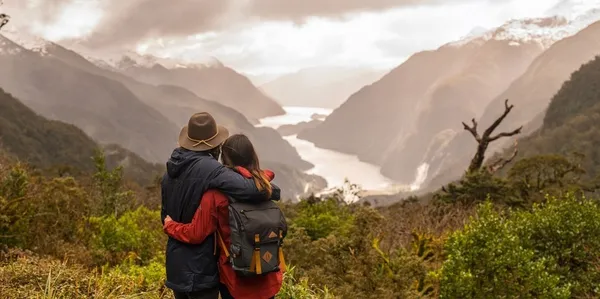
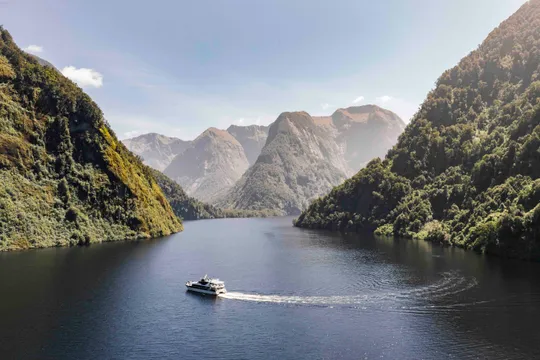
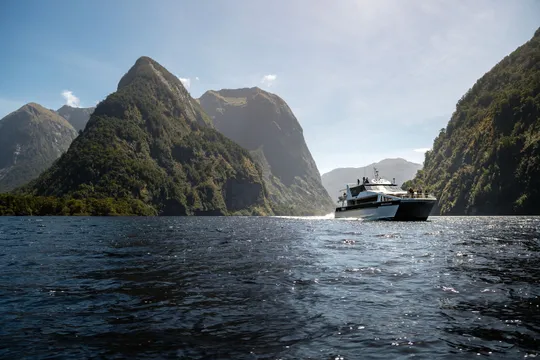
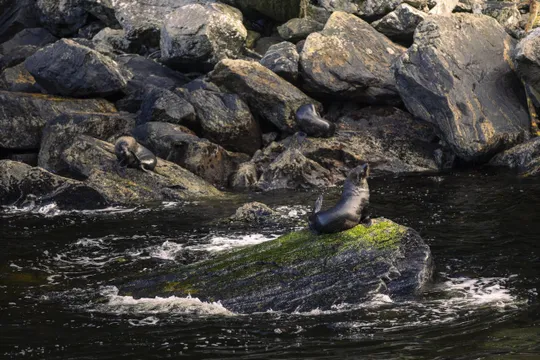
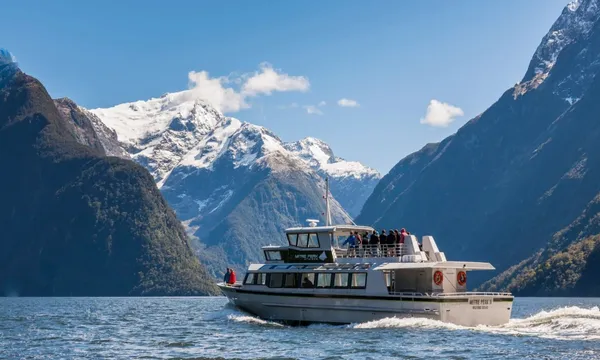
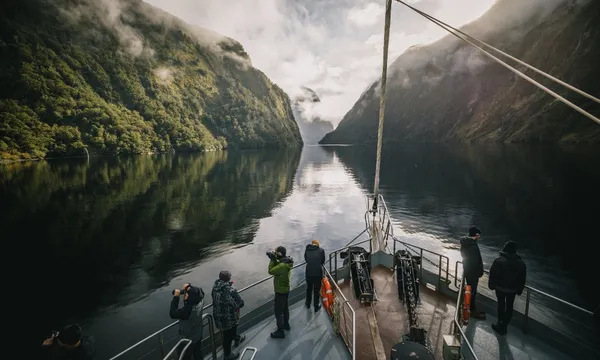
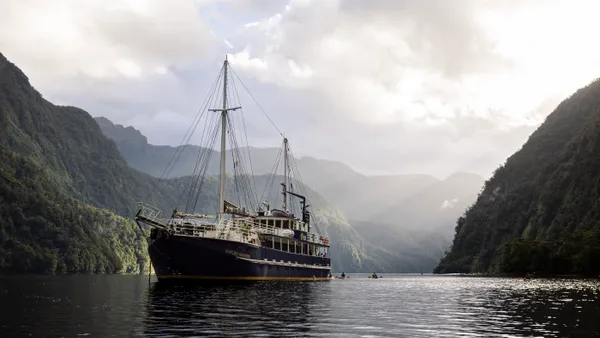
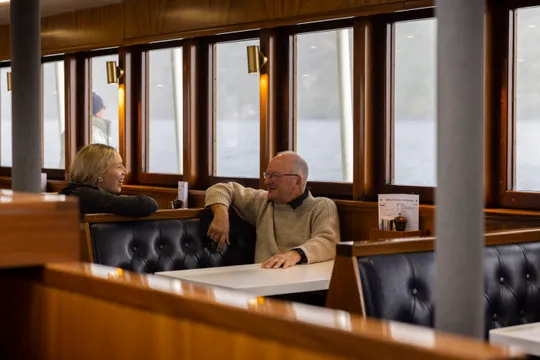
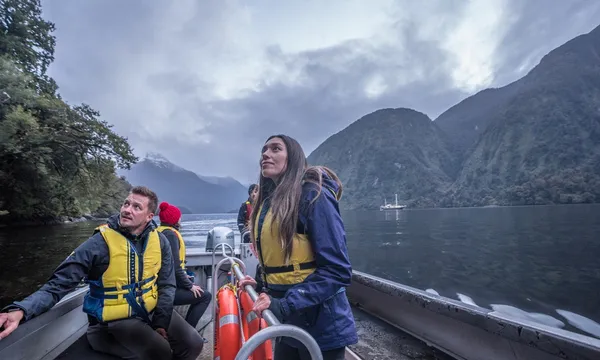
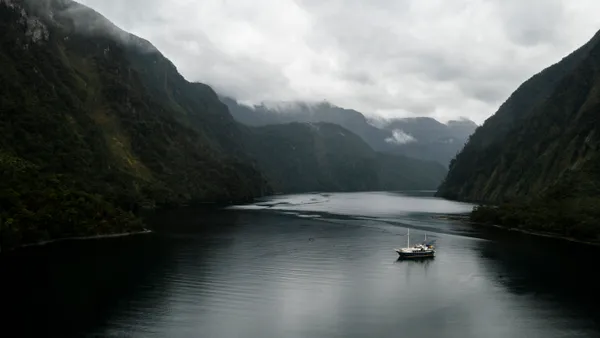
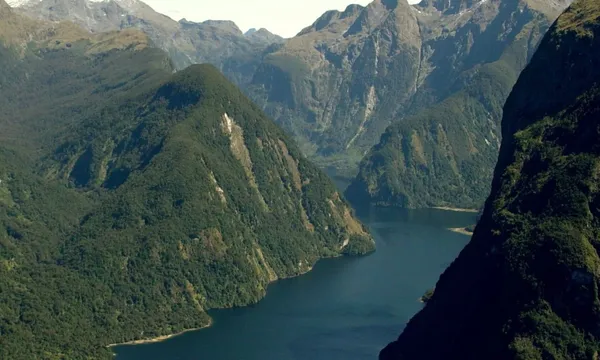
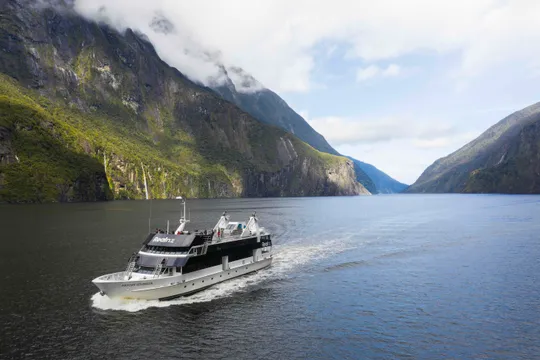
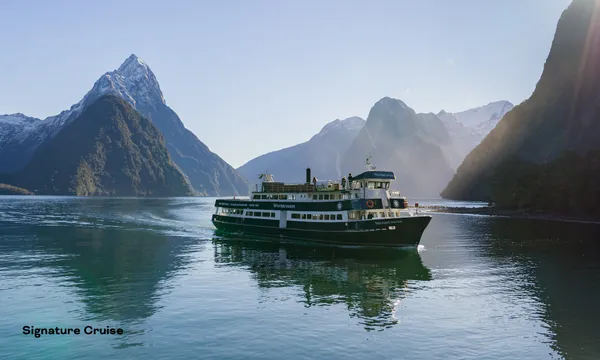
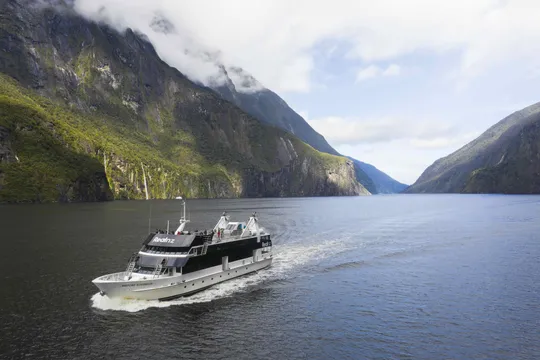
Reaching Doubtful Sound takes more effort than Milford, and that's exactly its appeal. Access is by boat across Lake Manapouri and coach over the Wilmot Pass, so numbers on the water stay low. The Doubtful Sound Day Tour from Manapouri covers the lake crossing, a scenic Wilmot Pass transfer with driver commentary on the area's filming history, and a cruise through New Zealand's second largest fiord, with bottlenose dolphins, fur seals and Fiordland crested penguins regularly sighted along its 40 kilometre reach. For a slower pace, the Doubtful Sound Overnight Cruise on the Navigator adds kayaking and tender tours at anchor, a three-course dinner with local wines in the ship's dining saloon, and a cooked breakfast before the return crossing.
On the water: kayaking Fiordland
Milford Sound looks different from a kayak seat, low enough to feel the scale of the cliffs rising straight out of the water. Rosco's Kayak Tours Sunriser Classic loops around the fiord on calm morning water with local guides, taking in Stirling Falls and the rainforest line, with no paddling experience required. Rosco's has run kayak trips here longer than any other operator in the country and holds access to parts of the outer fiord that motorised cruises don't reach.
By air: scenic flights and helicopter landings
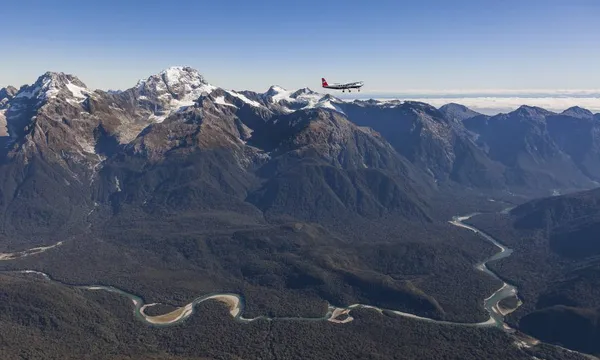
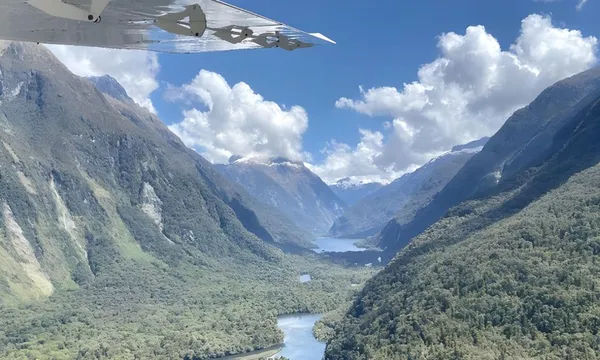
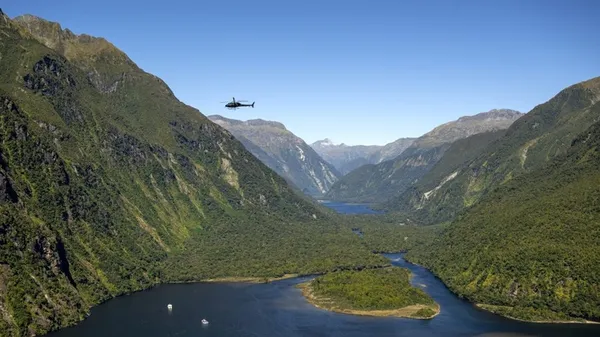
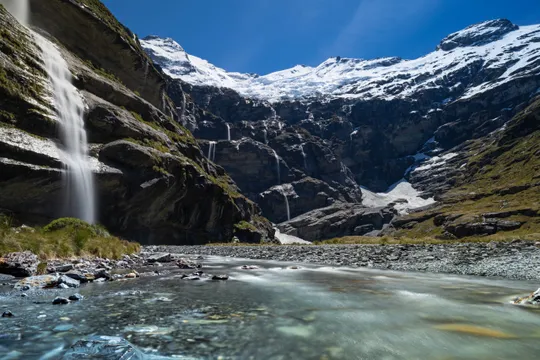
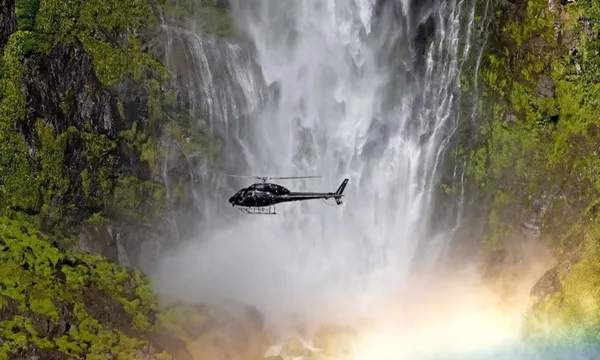
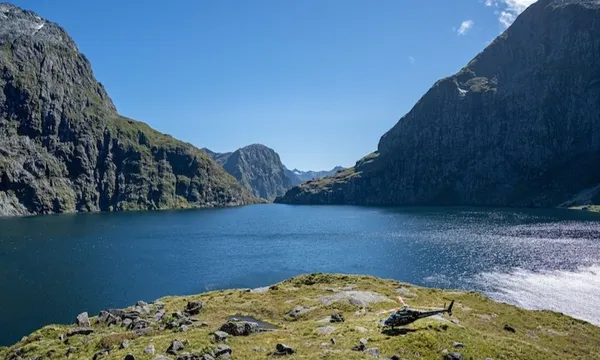
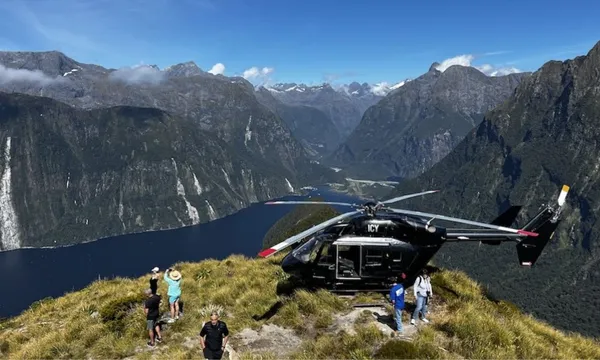
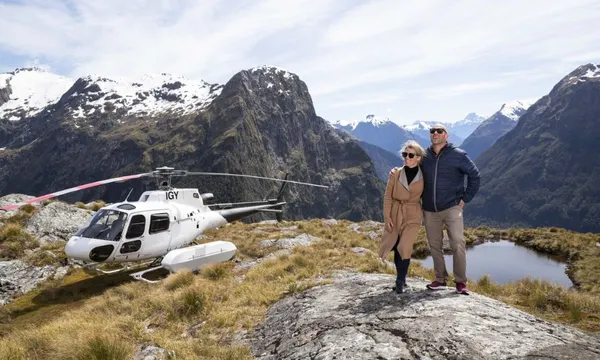
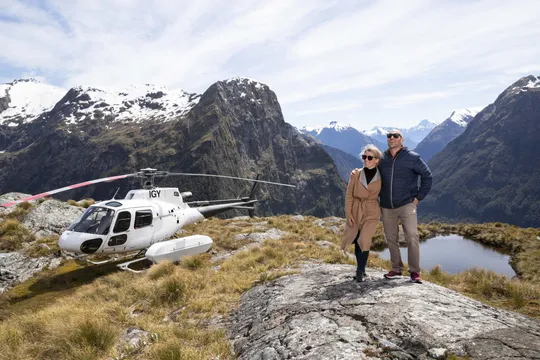
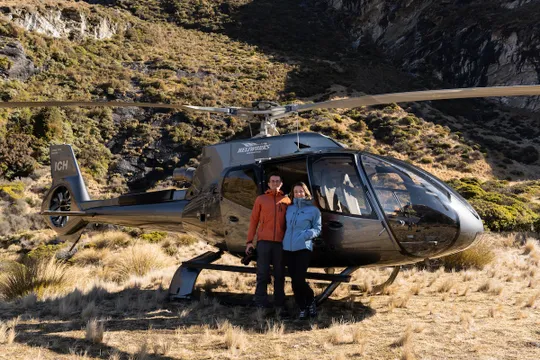
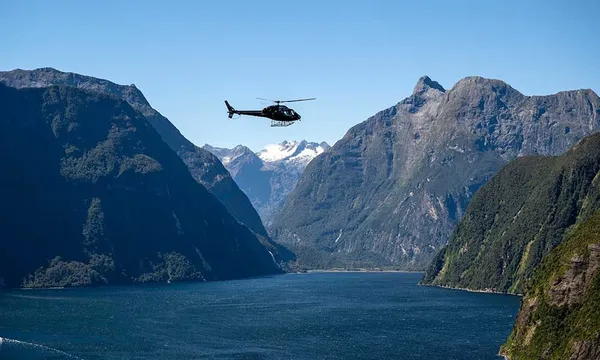
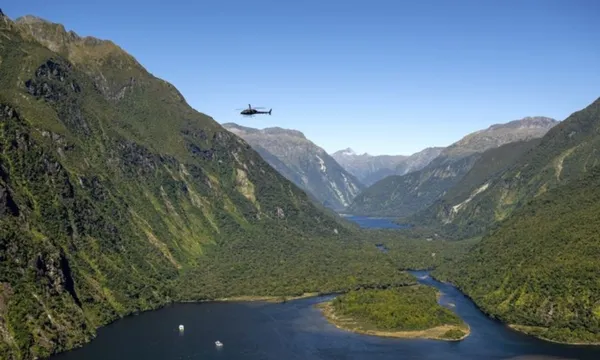
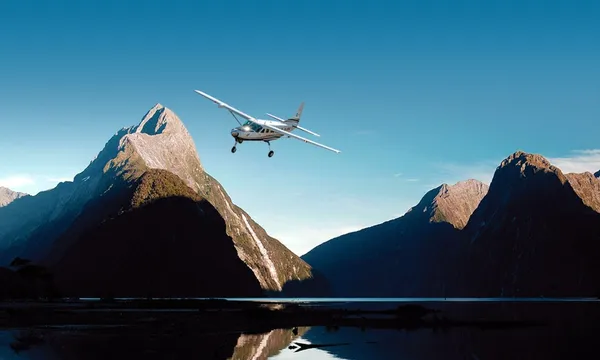
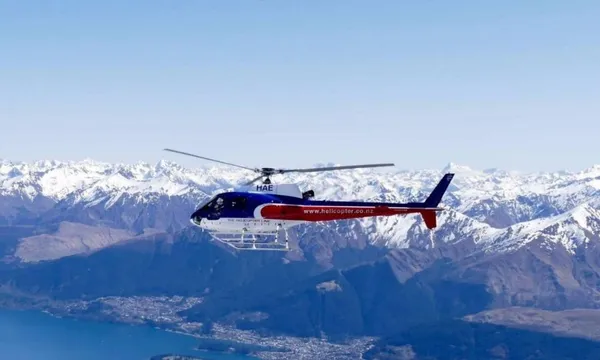
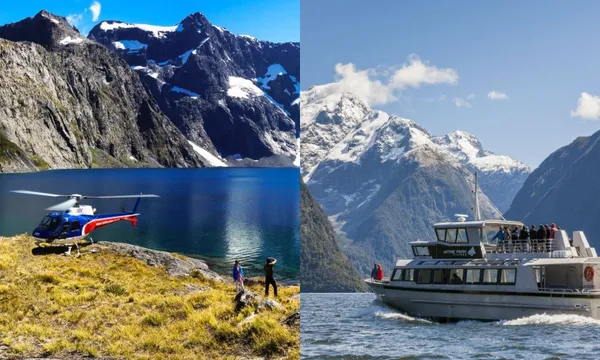
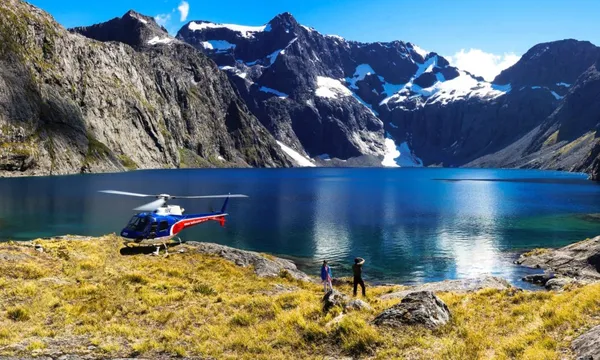
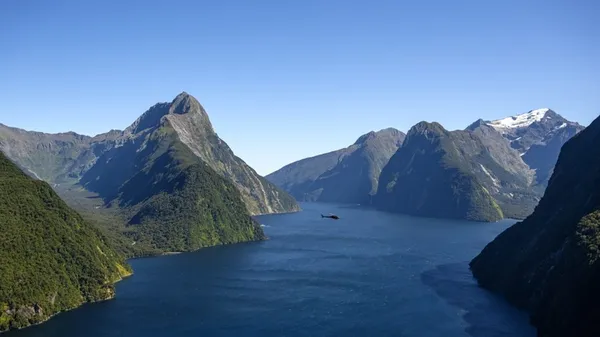
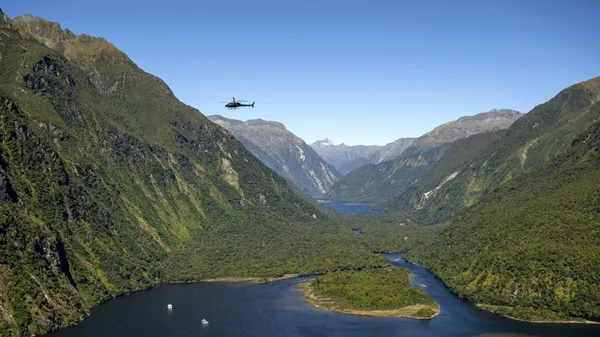
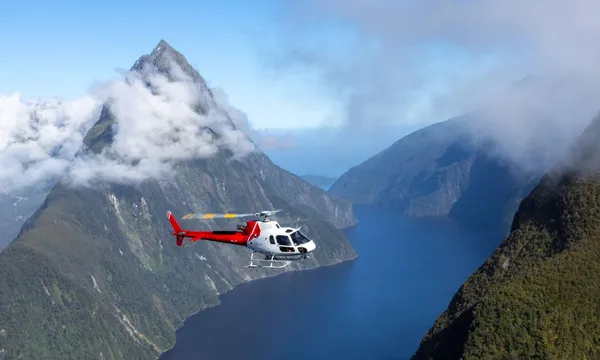
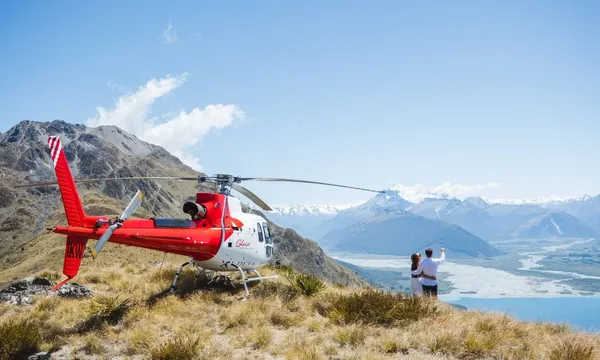
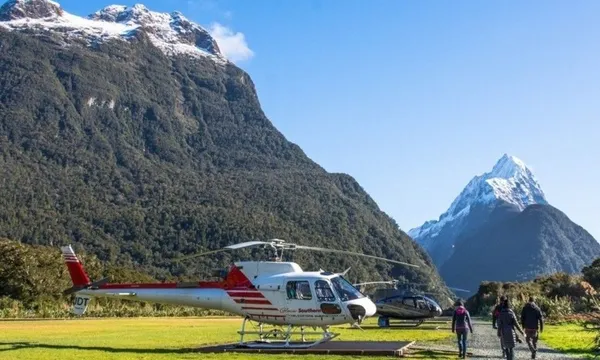
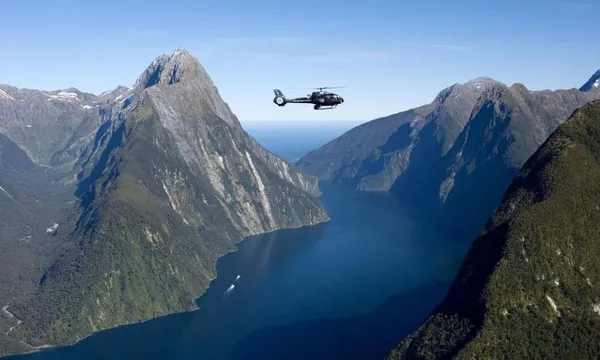
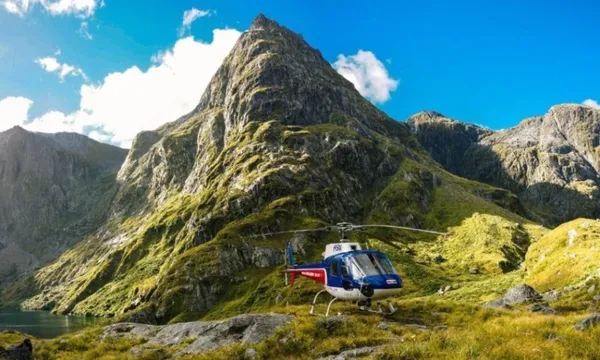
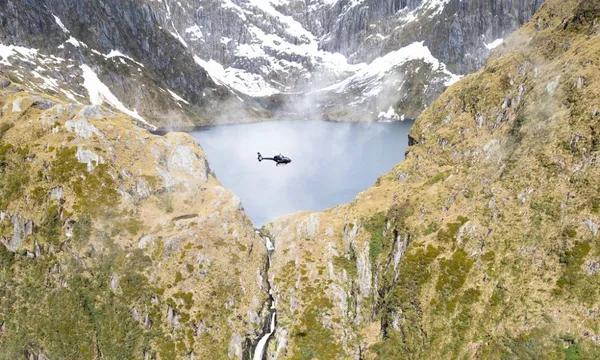
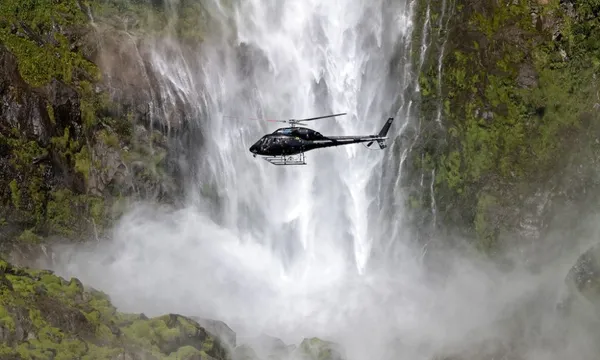
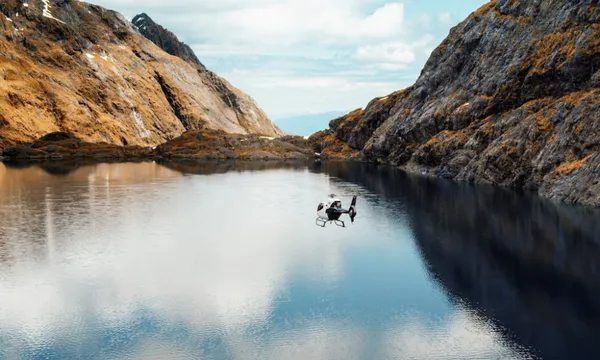
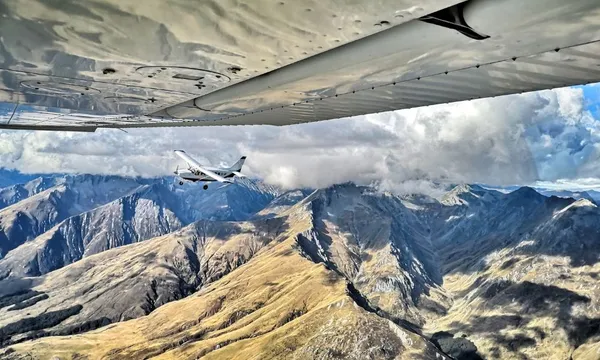
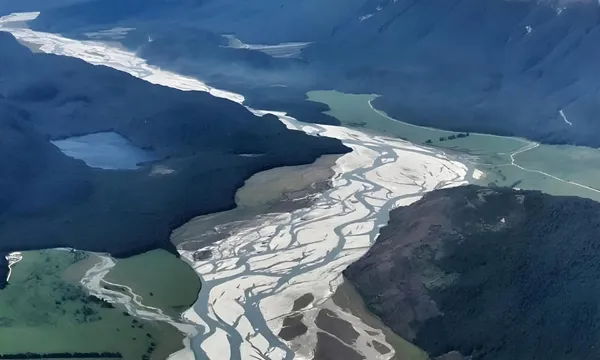
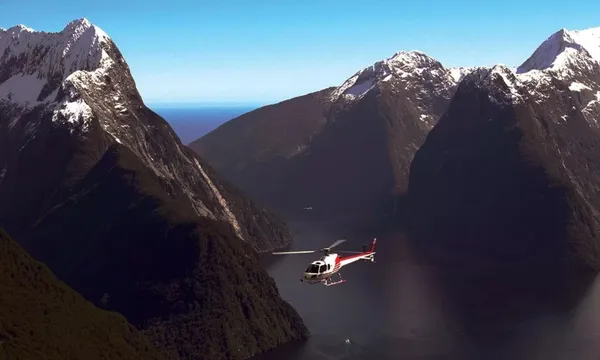
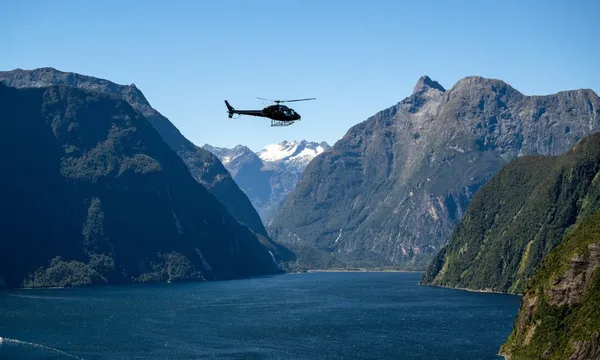
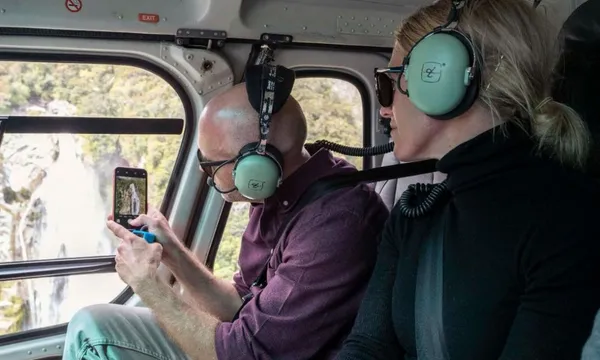
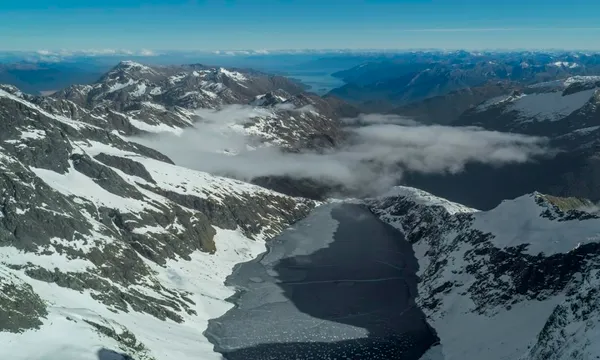
Flying in over the Southern Alps shows why Fiordland's fiords sit where they do, carved by glaciers rather than rivers. The Milford Sound Explorer Helicopter Flight ex Queenstown crosses Lake Wakatipu and the Richardson Mountains before landing twice: once inside the national park and once at Earnslaw Burn, a site reached only by this operator, with time to step out onto the ice and photograph the glacier and waterfalls before flying home.
Walking Fiordland's tracks
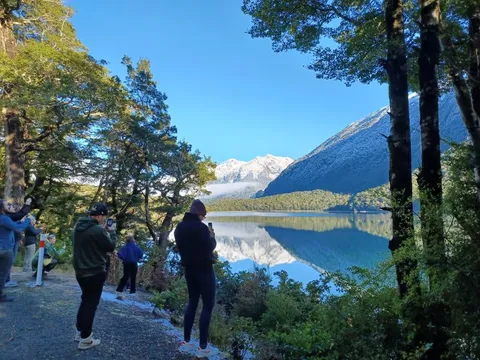
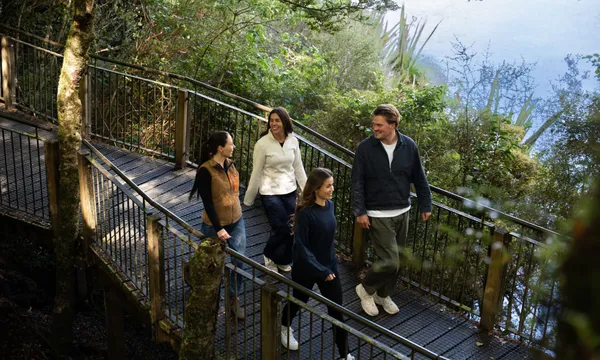
Fiordland is as well known for its multi-day tramping and hiking as its fiords. The Milford Track, often called the finest walk in the world since the phrase first appeared in the London Spectator in 1908, runs from the head of Lake Te Anau to Milford Sound past Sutherland Falls, one of the tallest waterfalls in the country. The Kepler Track loops through beech forest and along an exposed alpine ridge above the bushline, with Department of Conservation huts along both routes in the main walking season. Neither track needs a car, since both start and finish within reach of Te Anau.
Fiordland National Park Visitor Centre
The Department of Conservation's visitor centre in Te Anau is the place to start before heading into the park, whichever fiord or track you're planning. Staff hold current track and weather information, Great Walk hut bookings and advice on road conditions through to Milford Sound, which closes at times over winter for avalanche control. Te Anau sits on the edge of Lake Te Anau and works as a base for both Milford and Doubtful Sound, with a shorter drive to Milford than from Queenstown.
Frequently Asked Questions
Is there an entrance fee for Fiordland National Park?
No. Like all New Zealand national parks, Fiordland is free to enter. Milford Track and the other Great Walks charge separately for hut and campsite bookings during the main season.
What's the difference between Milford Sound and Doubtful Sound?
Milford Sound is the more accessible fiord, reached by road from Queenstown or Te Anau, and carries most of the coach, cruise and flight traffic. Doubtful Sound needs a boat and coach transfer to reach and sees far fewer visitors, which suits travellers after a quieter, more remote experience.
What's the best way to see Fiordland National Park?
Most people combine a coach or flight from Queenstown with a cruise on Milford Sound, though an overnight cruise on either fiord, a kayak tour or a helicopter flight with a glacier landing all show the park from a different angle. Which suits you best comes down to time, and whether you'd rather stay dry.
What's the weather like in Fiordland National Park?
Fiordland is one of the wettest places in New Zealand, and the rain is part of what makes the waterfalls so dramatic. Conditions change quickly, so pack a proper rain jacket, whatever the forecast says on the day.
Where is the Fiordland National Park Visitor Centre?
The Department of Conservation's visitor centre is in Te Anau, the main gateway town to the park, and is the best source for up-to-date track, weather and road information before you head in.